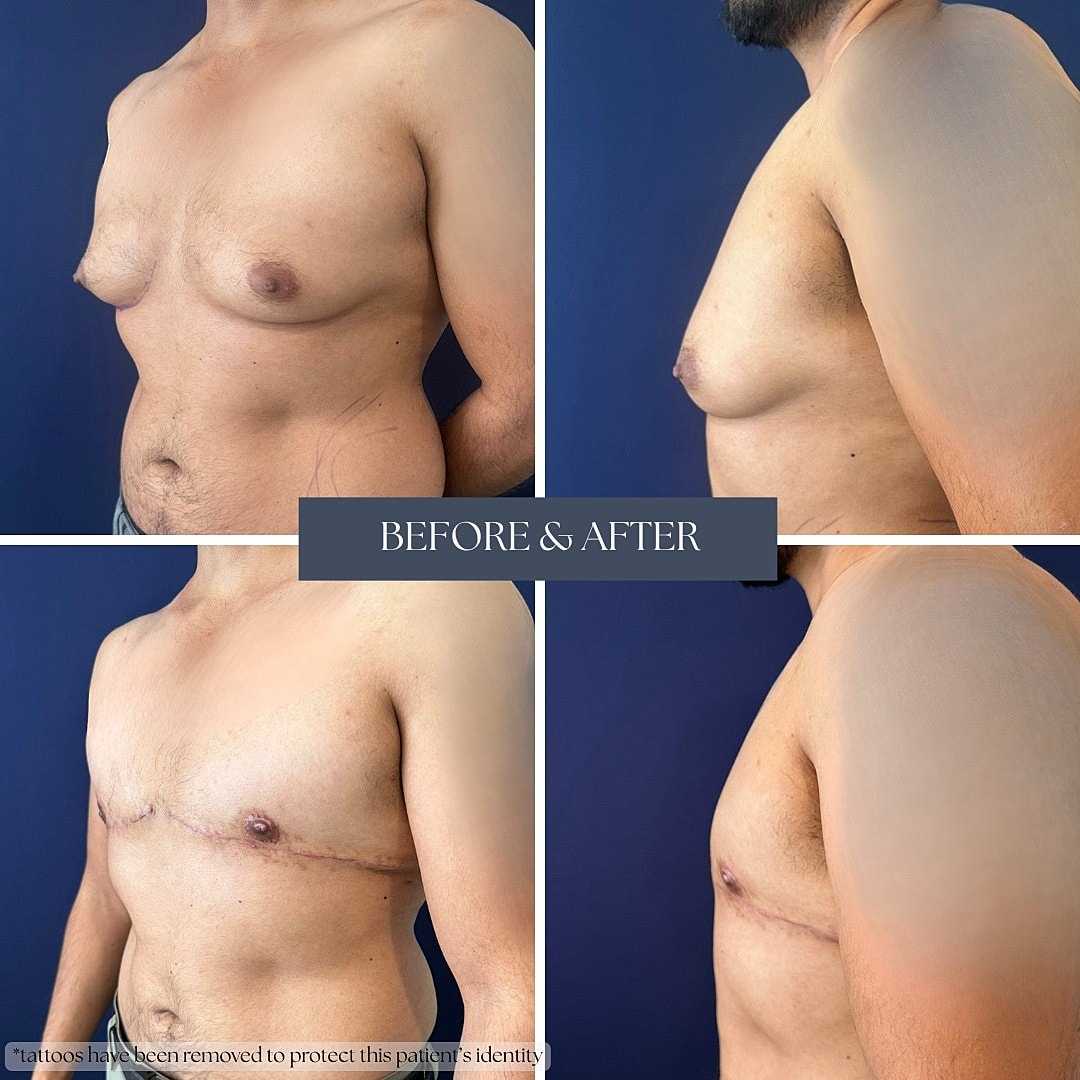
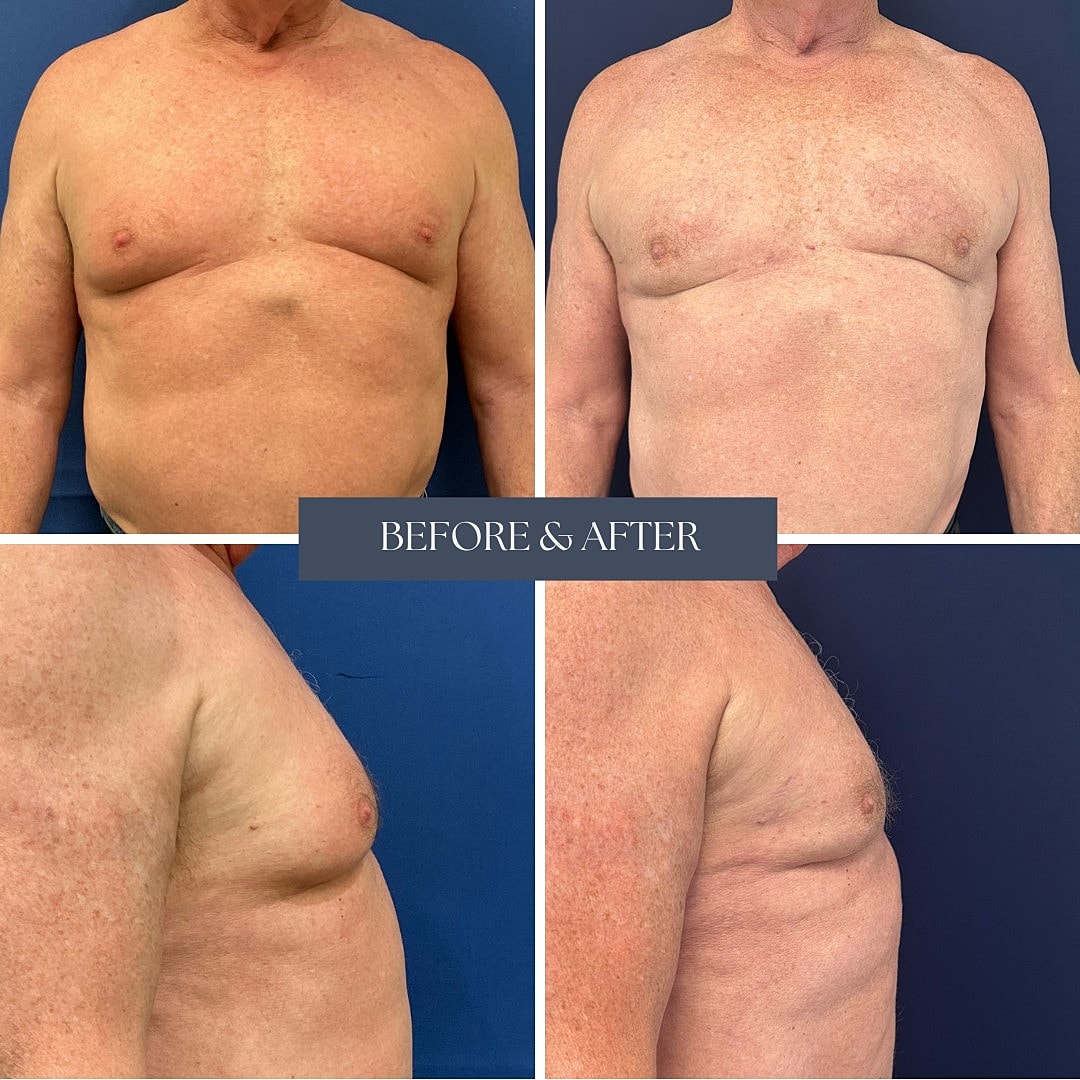
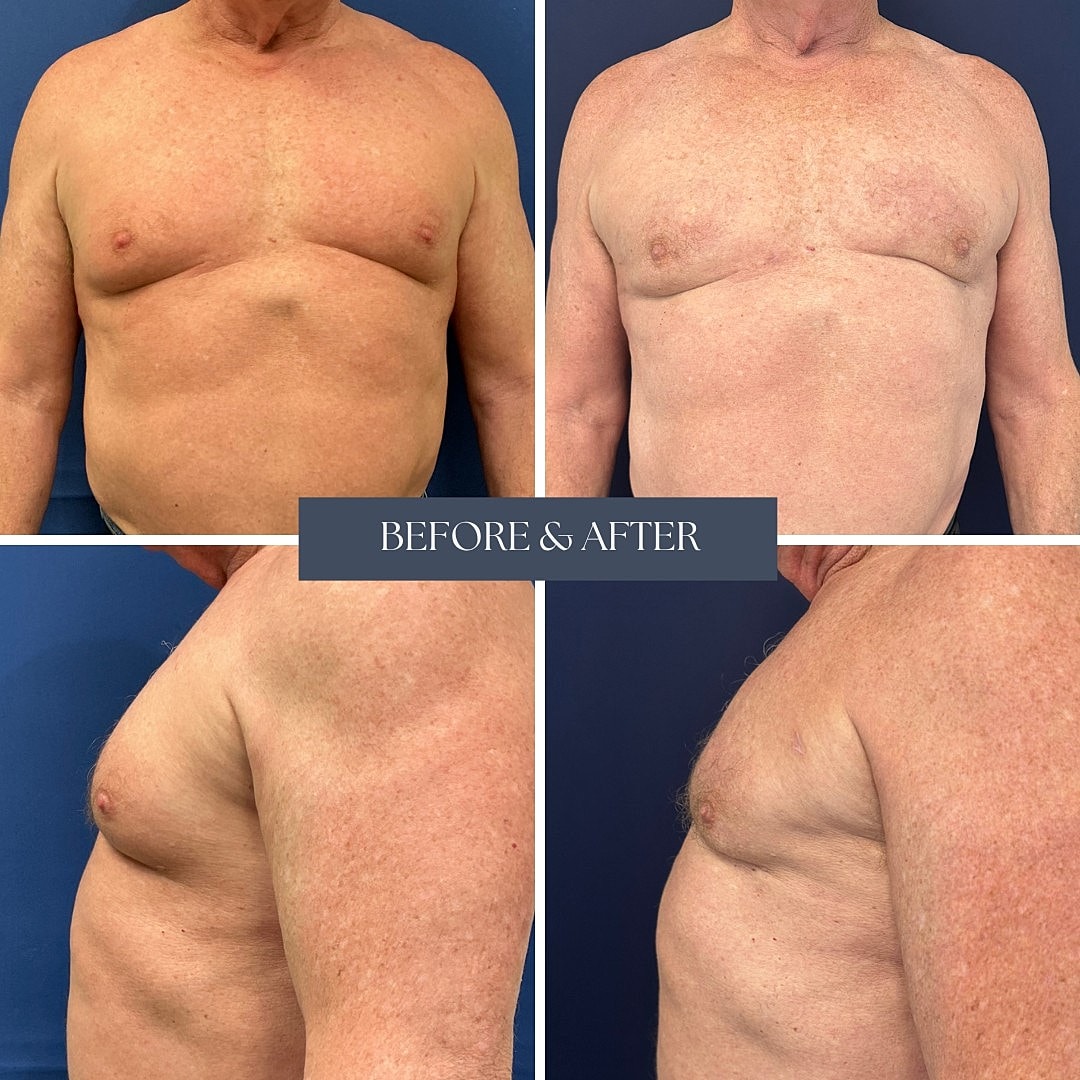
Gynecomastia Surgery
Conveniently located in Los Angeles, Orange County, and the Inland Empire


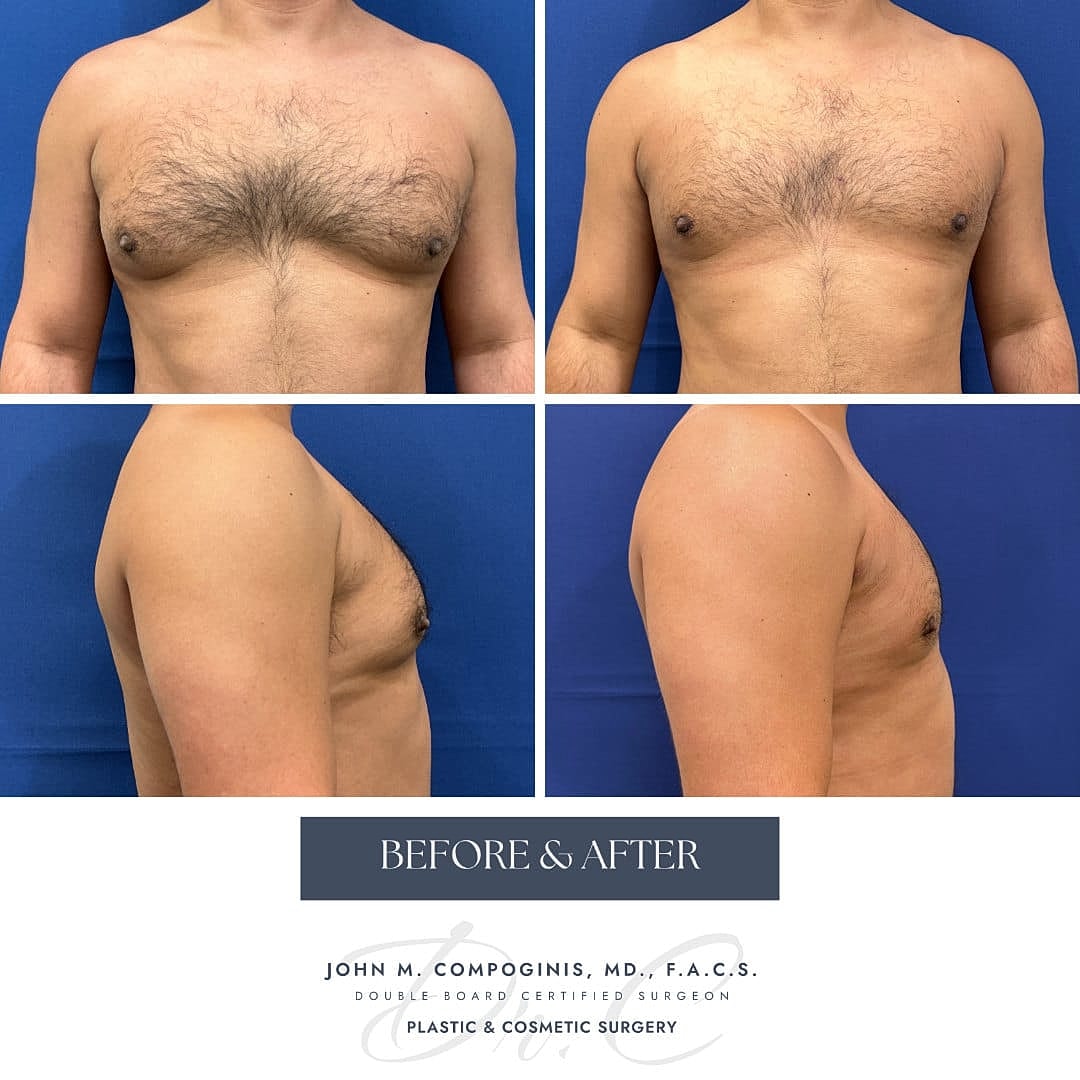
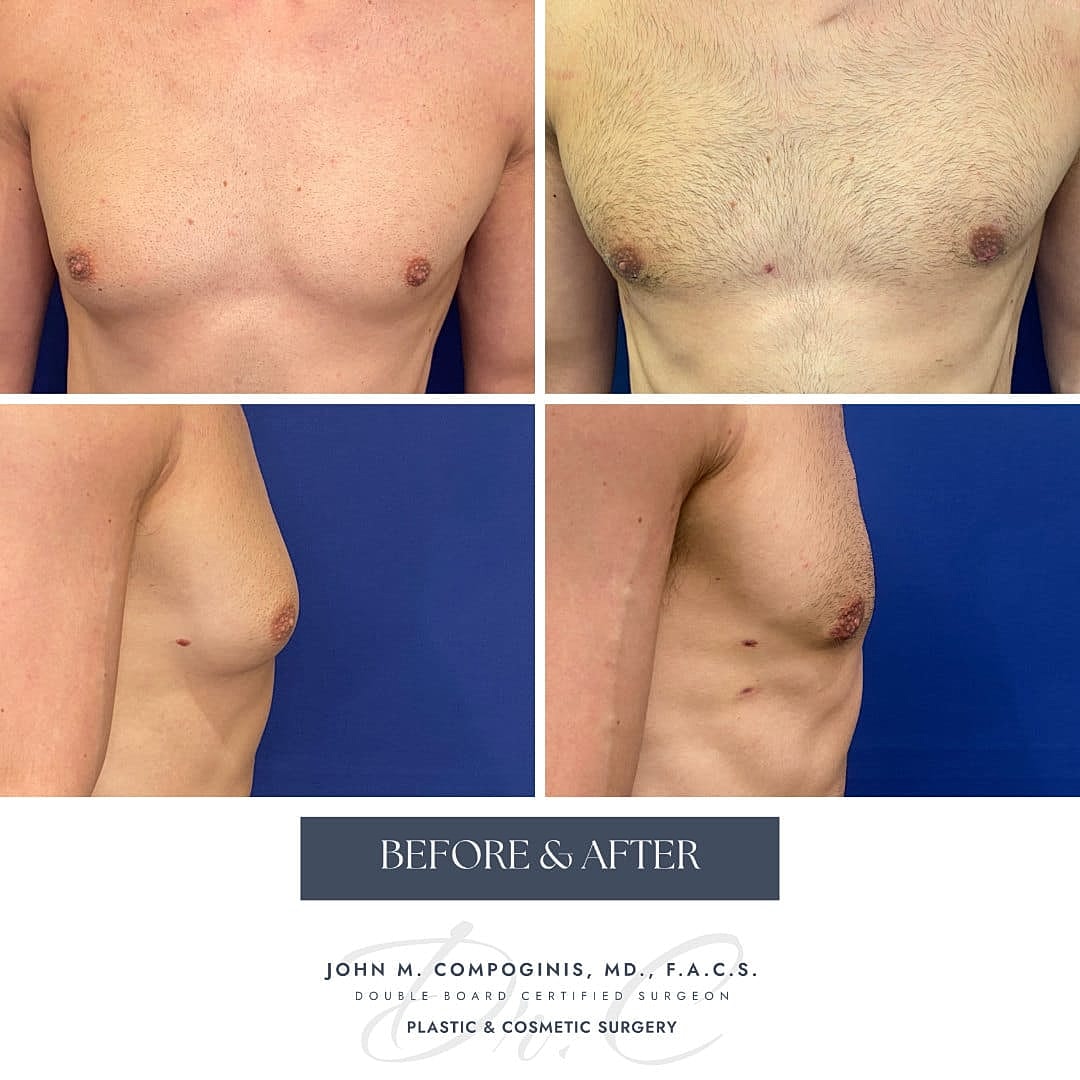
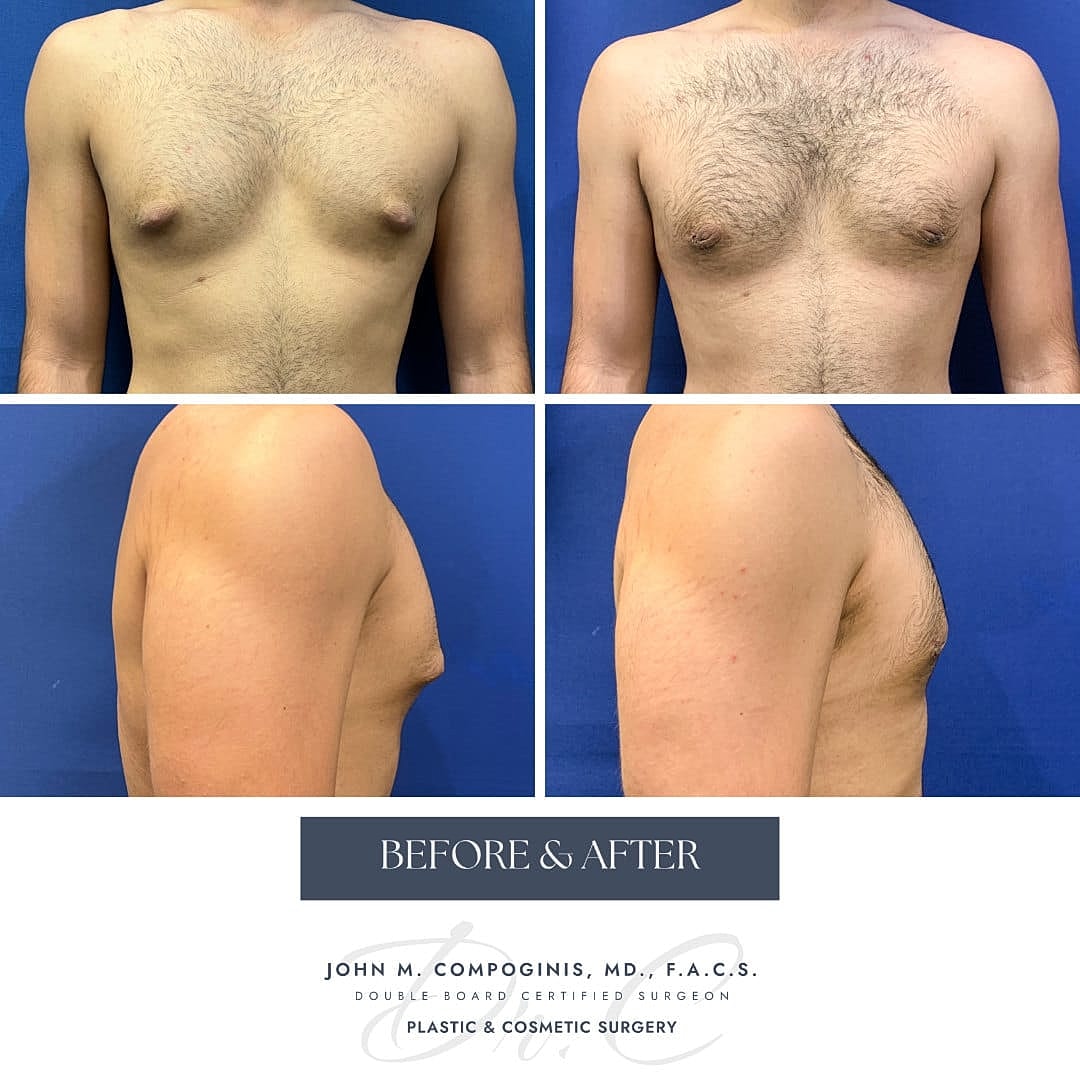
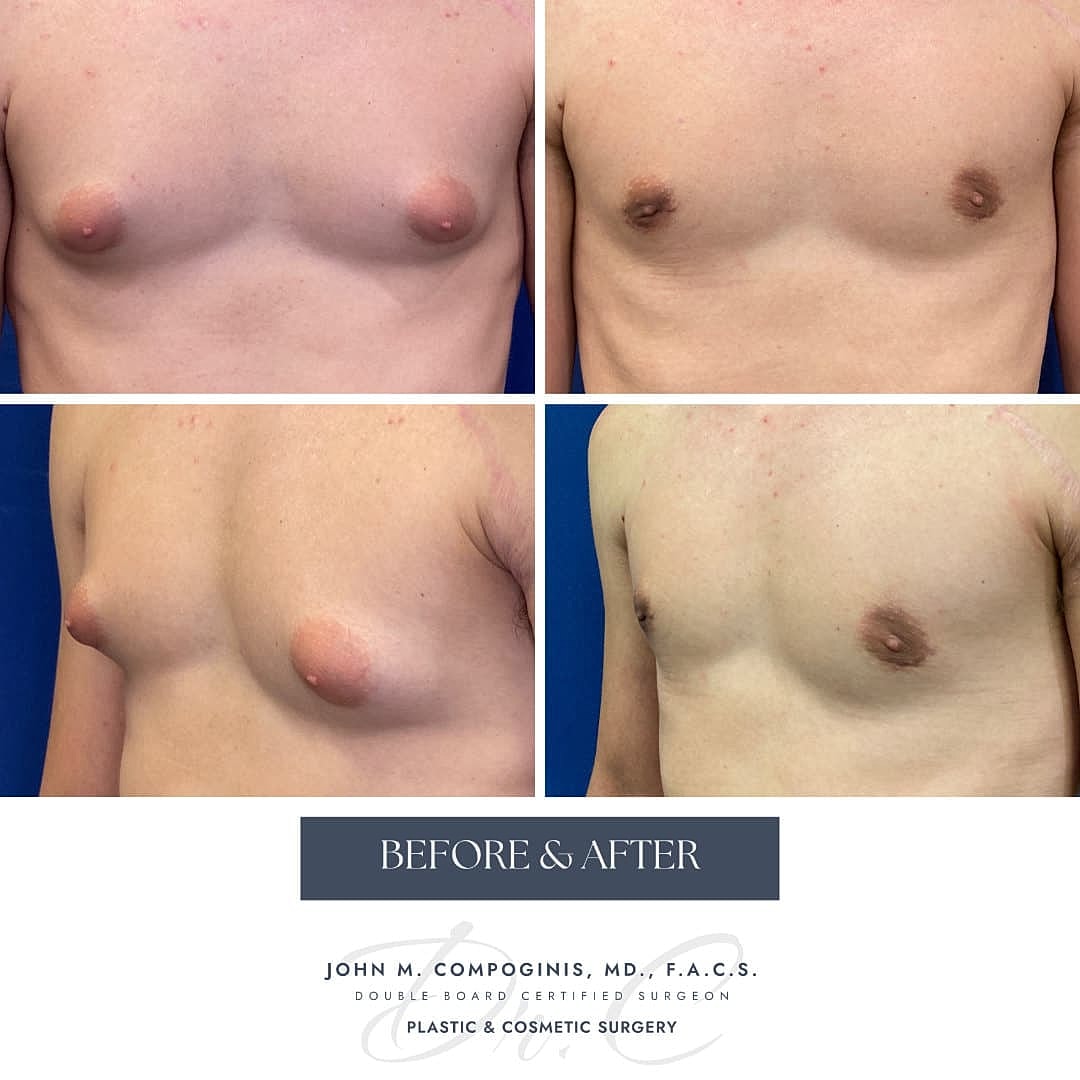
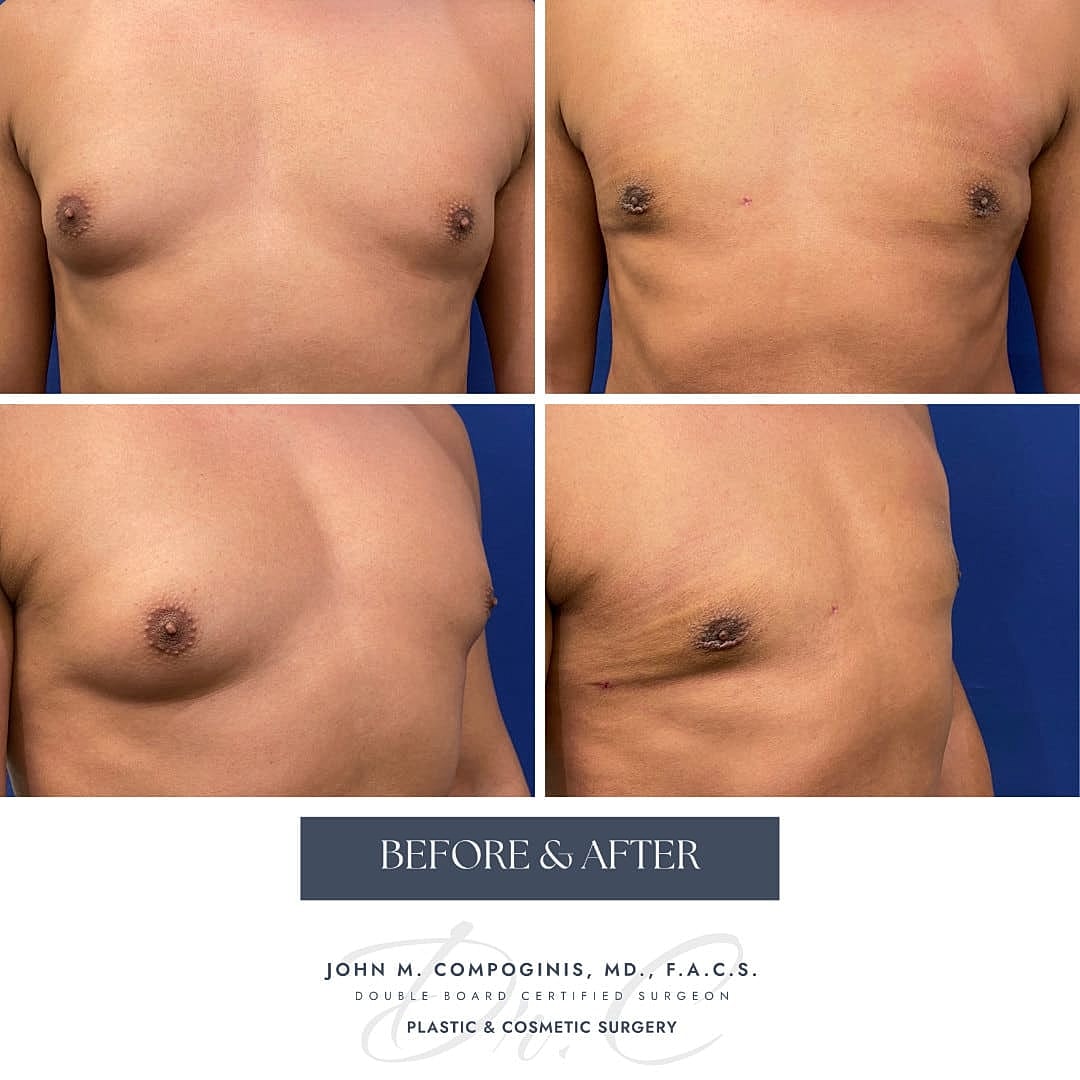
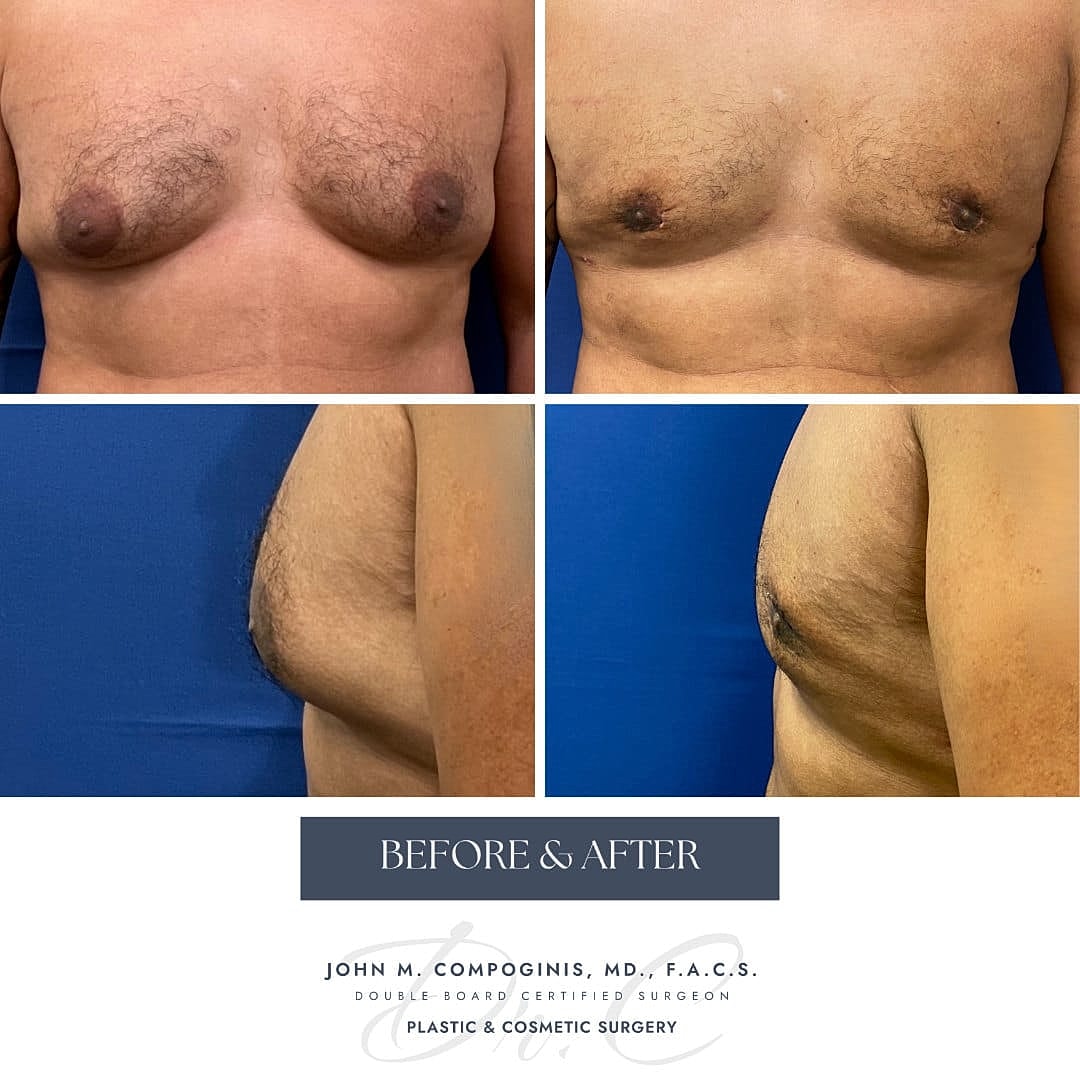
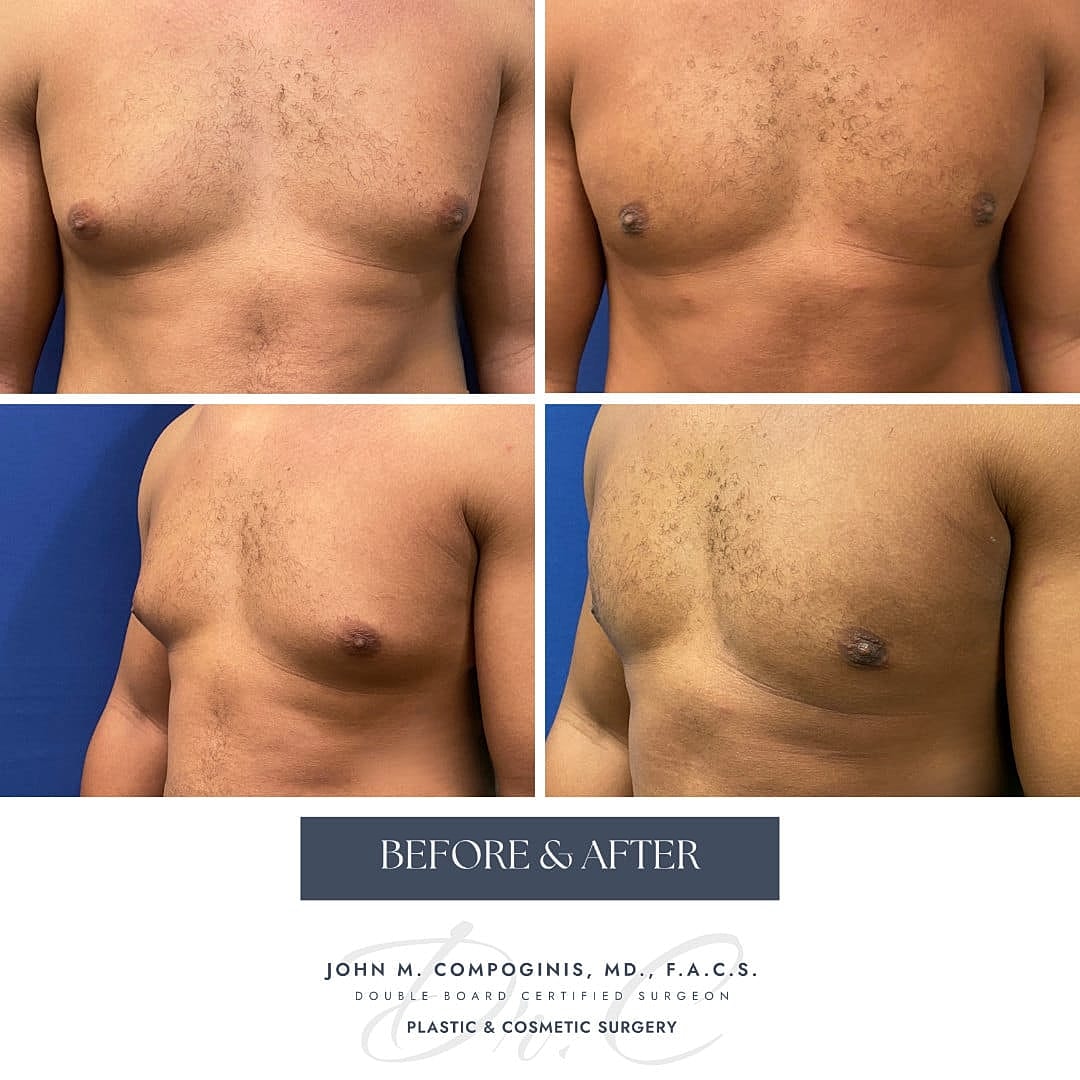
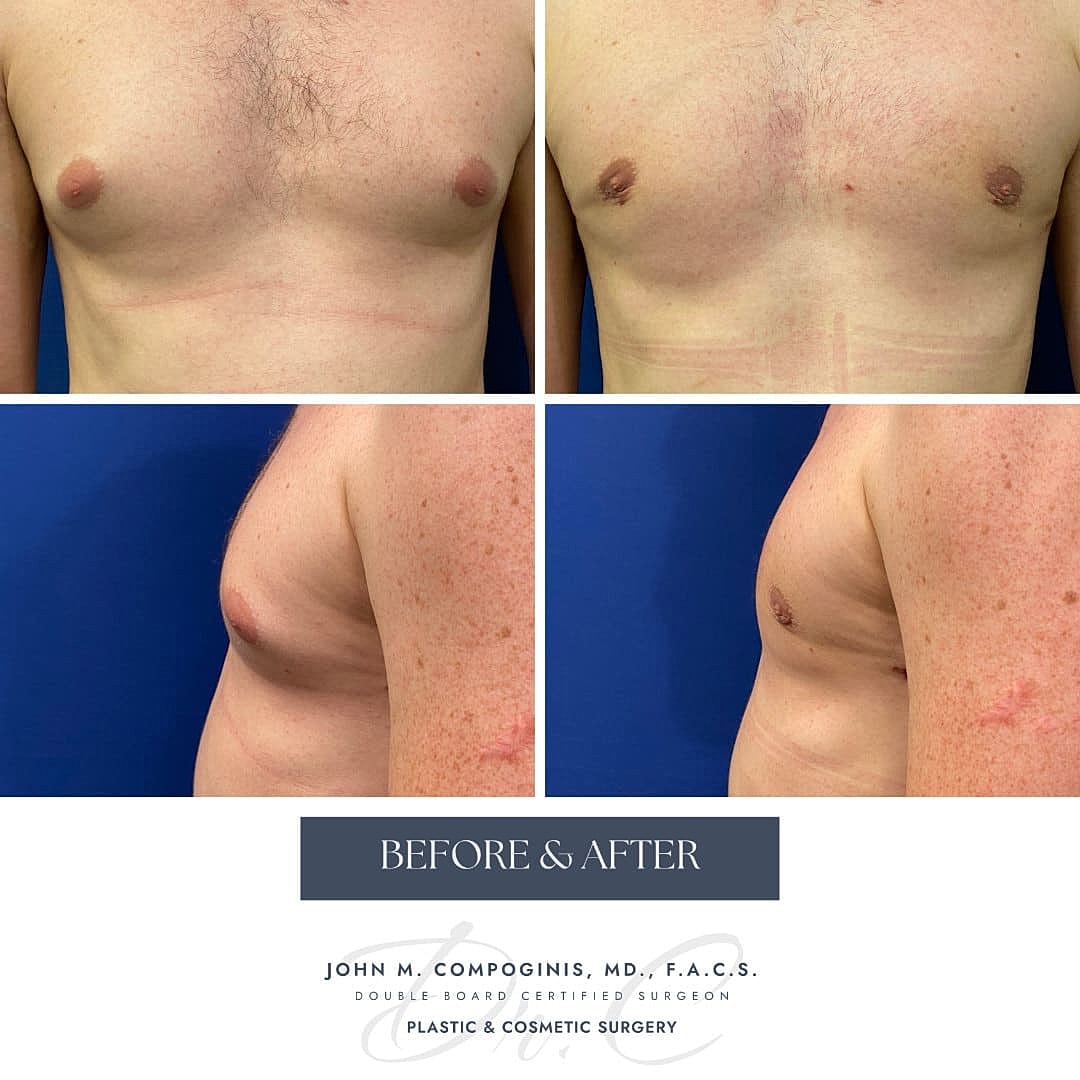
For most men, gynecomastia is more than a purely cosmetic concern. It’s a personal issue that can affect your confidence and sense of masculinity as well. This is why Dr. Compoginis approaches every case with empathy and discretion. Whether your gynecomastia is the result of hormonal changes, medications, weight changes, or other factors, gynecomastia surgery in Newport Beach with Dr. Compoginis delivers a permanent solution.
1 of 23

Removes excess breast tissue, fat, and skin
Performed under local or general anesthesia
Recovery time typically 1–2 weeks for normal activities
Improves chest contour, self-confidence, and comfort

Gynecomastia is a common, benign condition characterized by enlargement of the male breast and/or accumulation of fatty tissue in the chest area. Male breast tissue growth usually begins in adolescence as a result of normal hormonal changes and typically resolves within two years. If it does not resolve within several years, many males choose surgical correction and obtain excellent results.
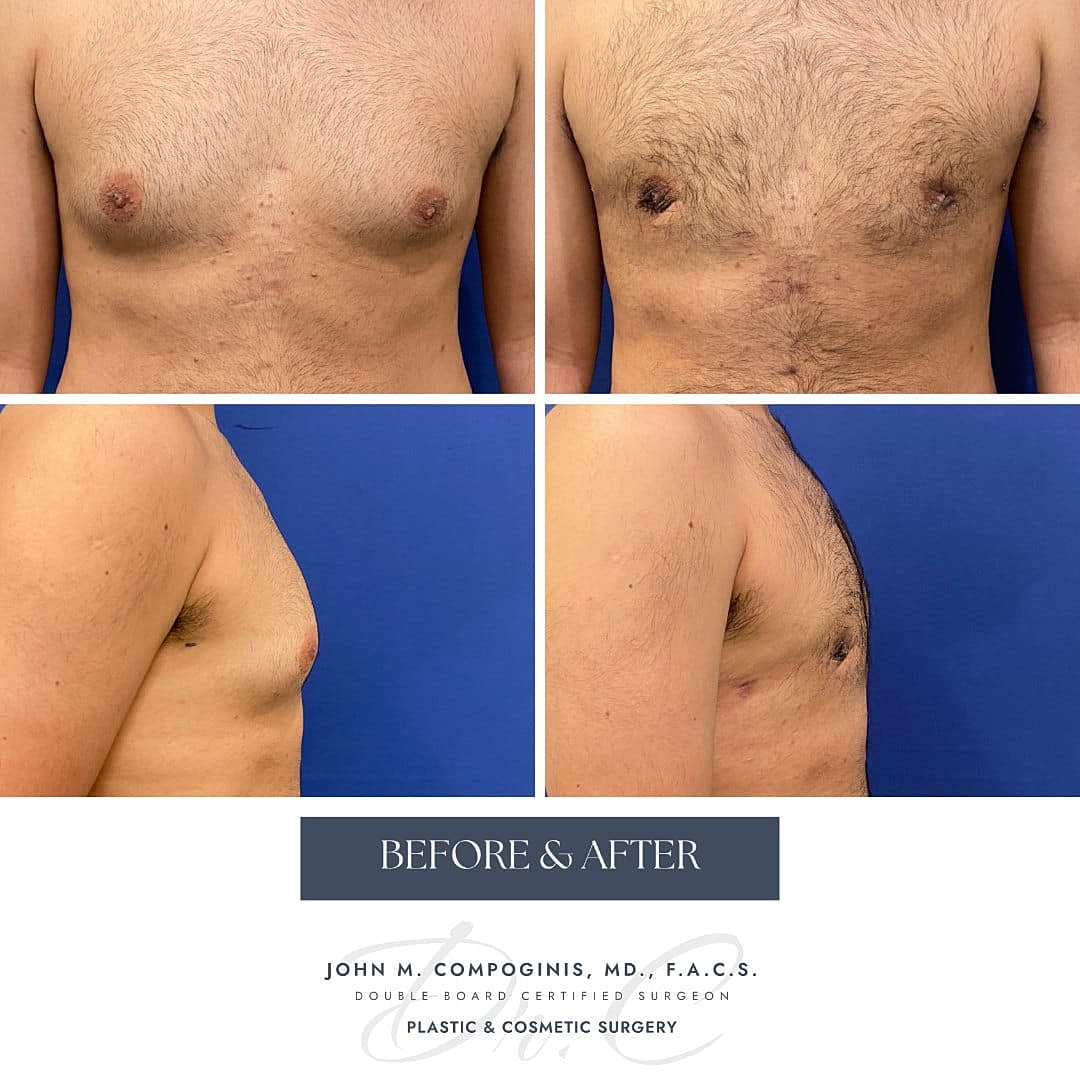
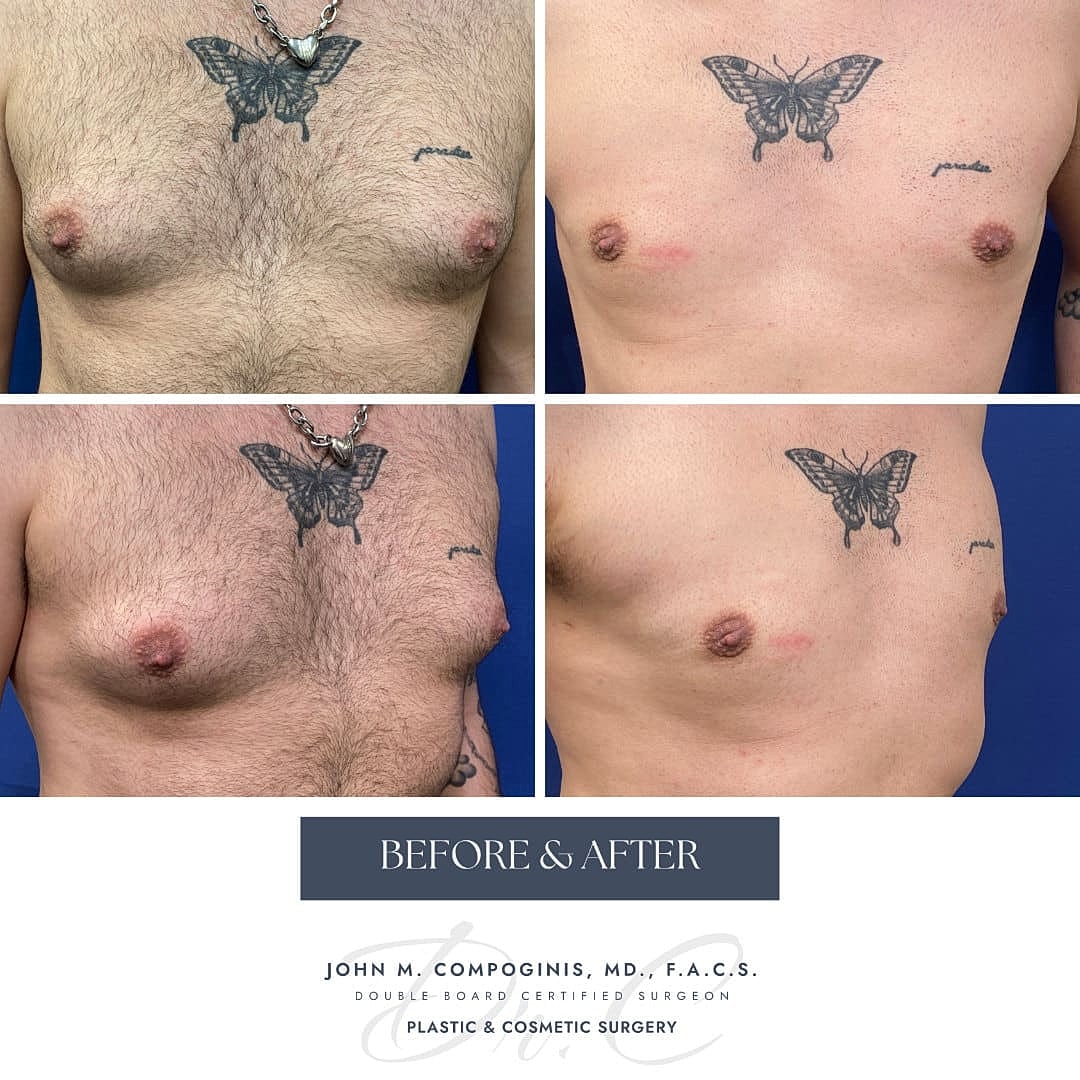
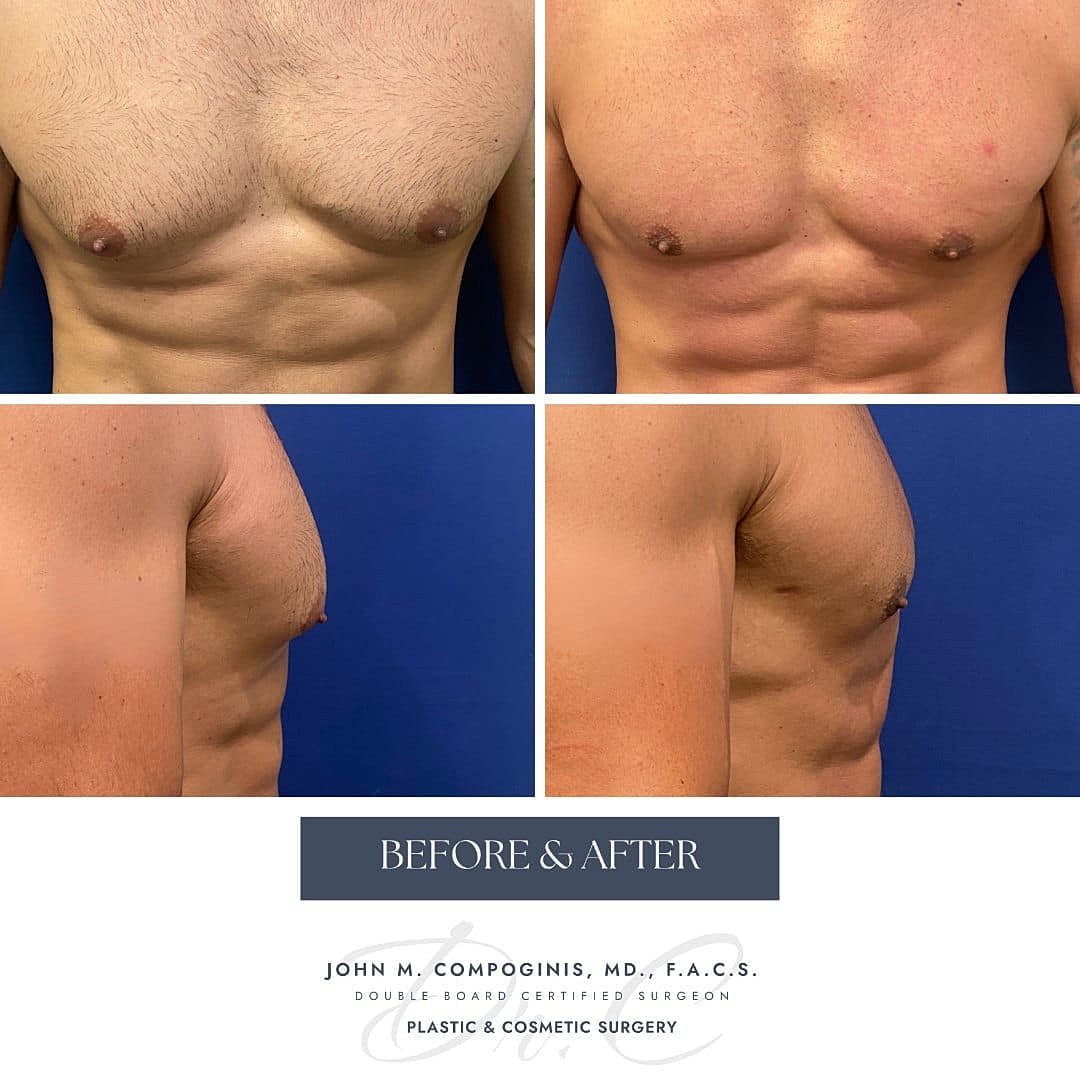
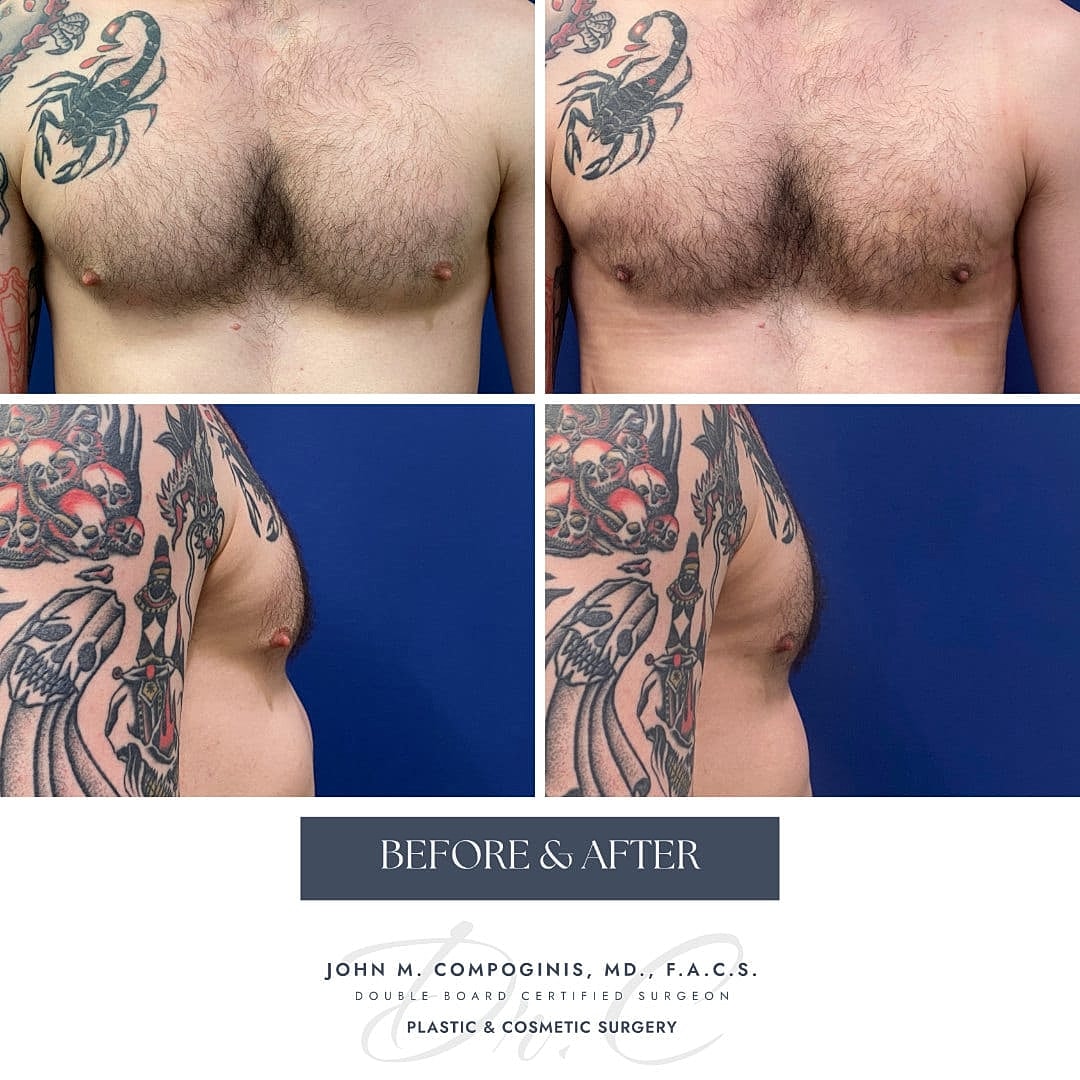
USC-trained, double board-certified plastic surgeon Dr. John Compoginis has significant training in performing treatments that correct gynecomastia. During the procedure, excess fat and glandular tissue are removed directly by liposuction techniques if possible or by surgical excision if necessary. The result is a flatter, firmer, and more normally contoured chest.
What is Gynecomastia Surgery?
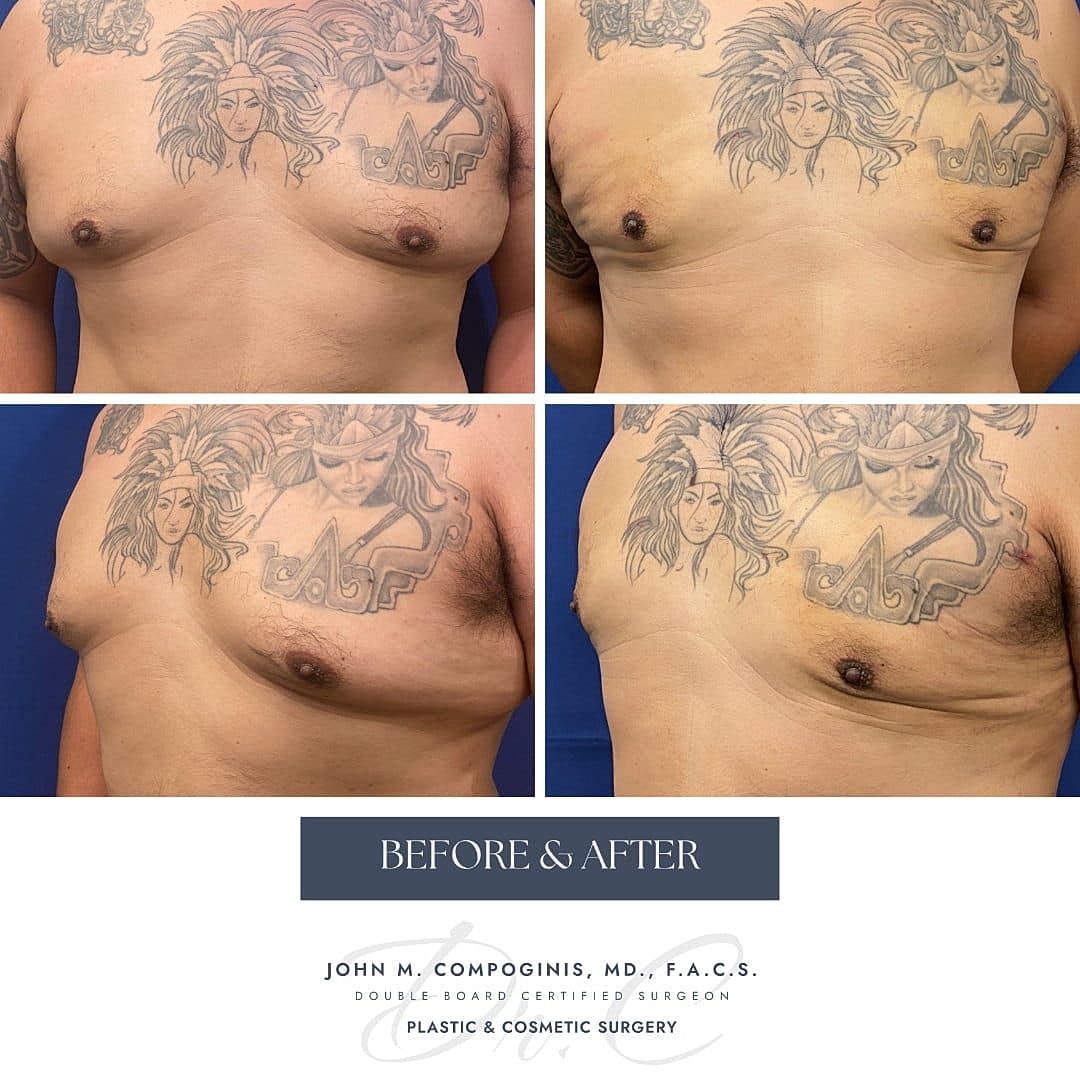
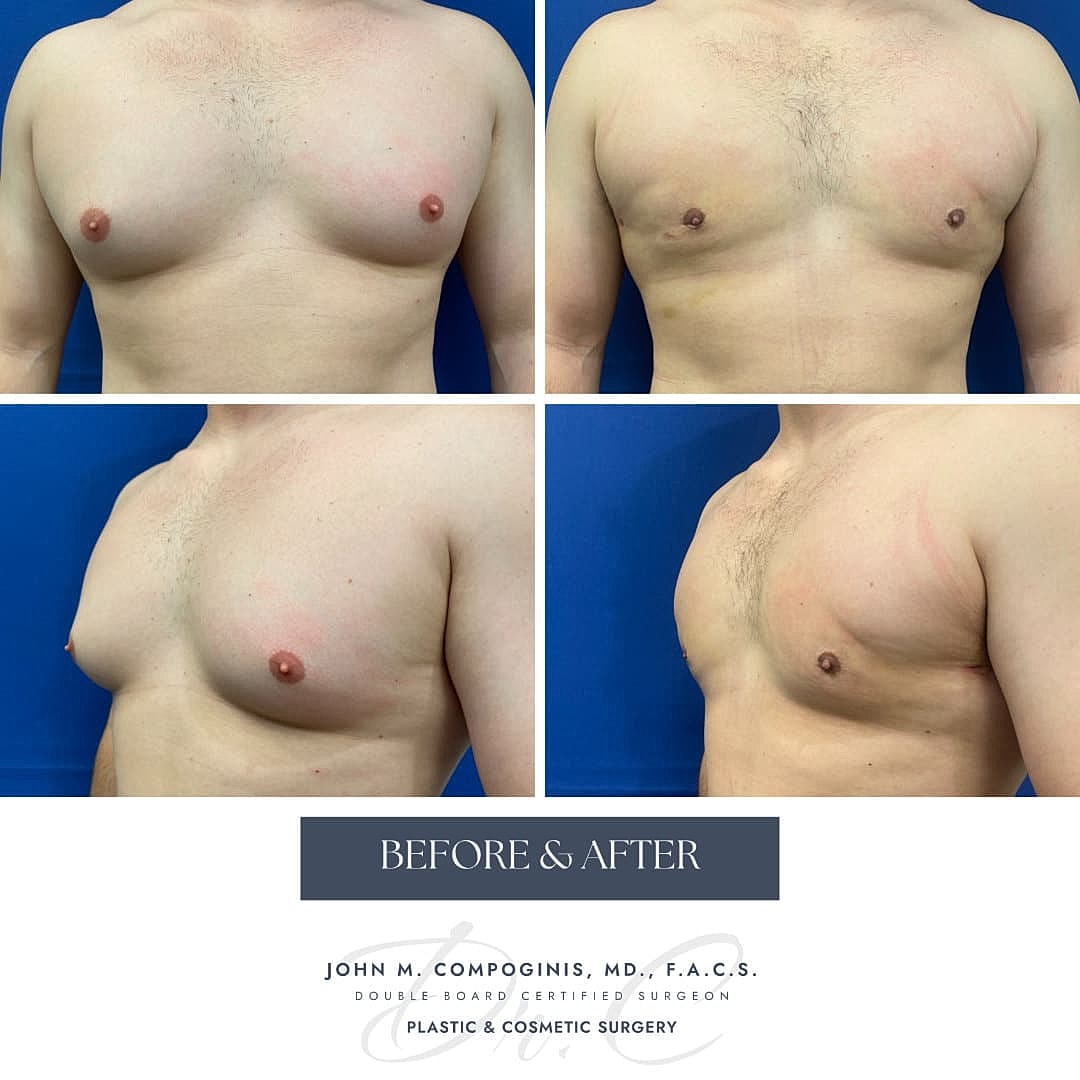
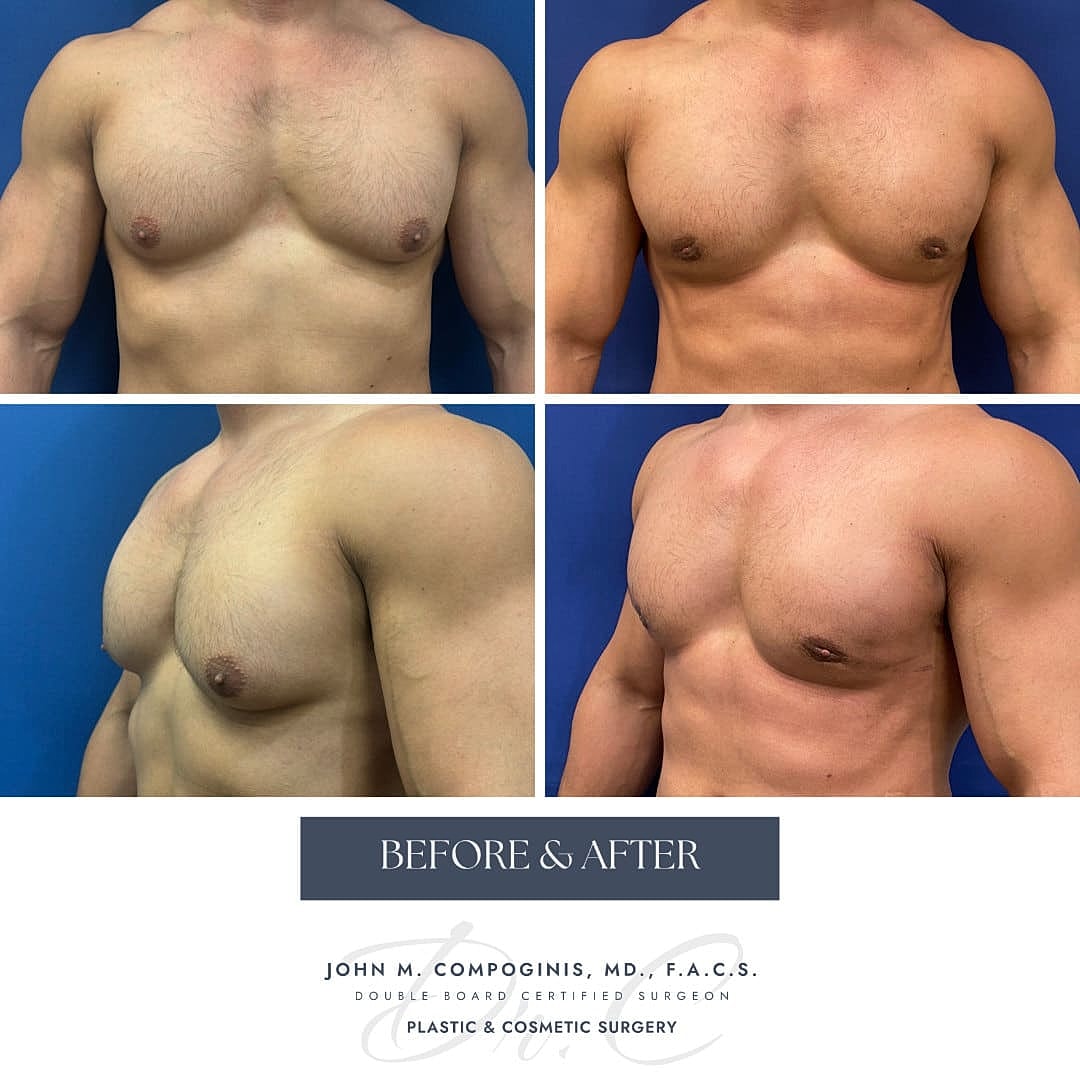
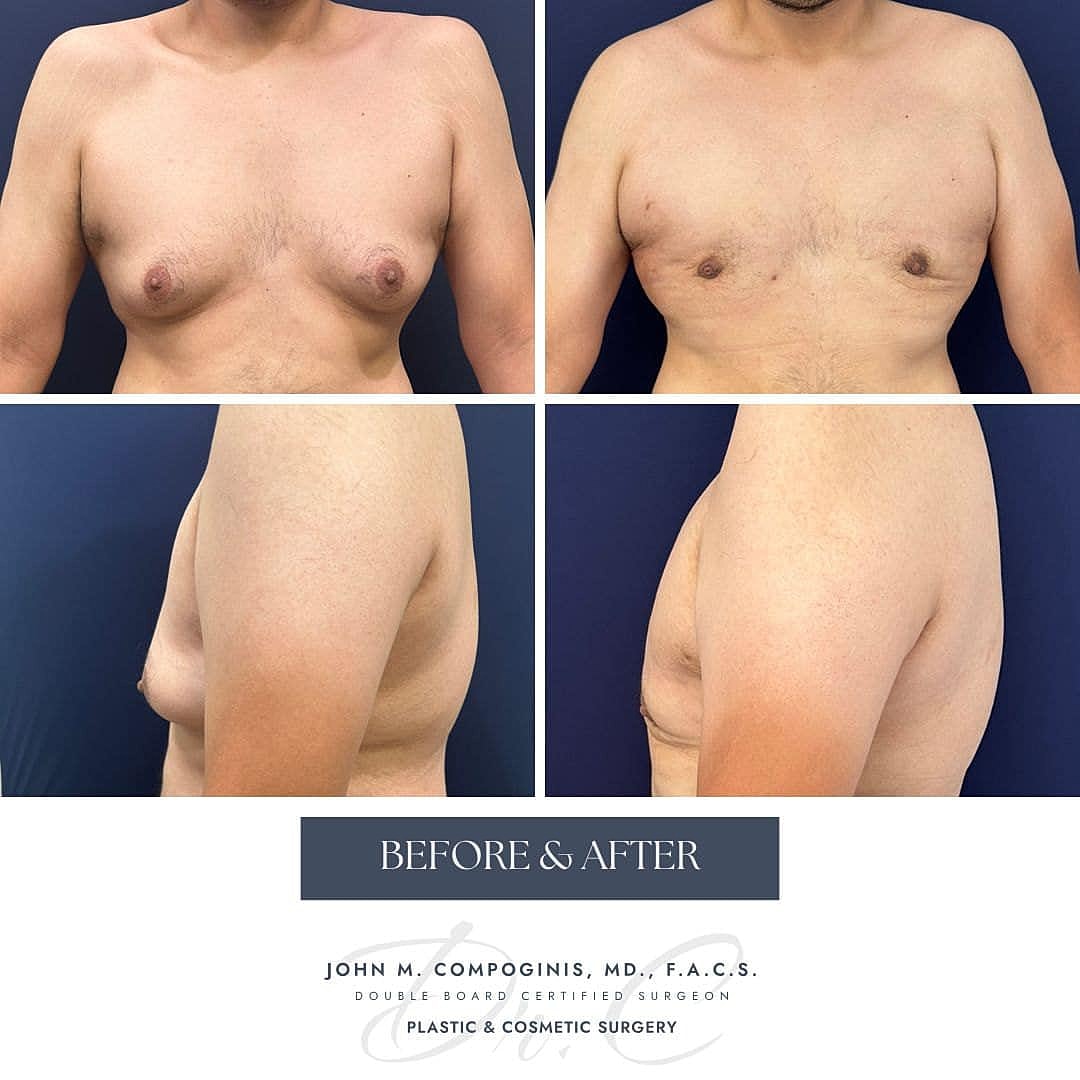
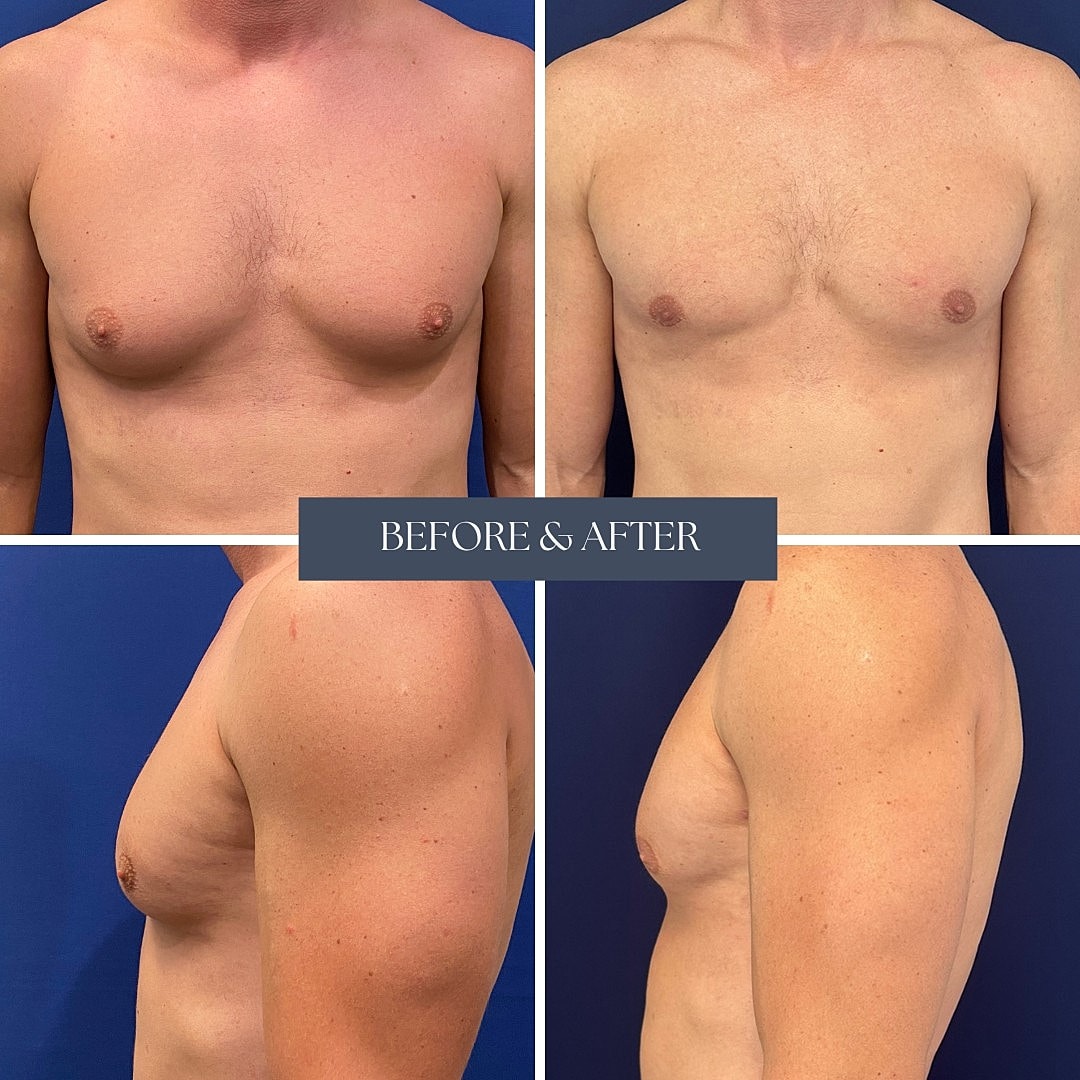
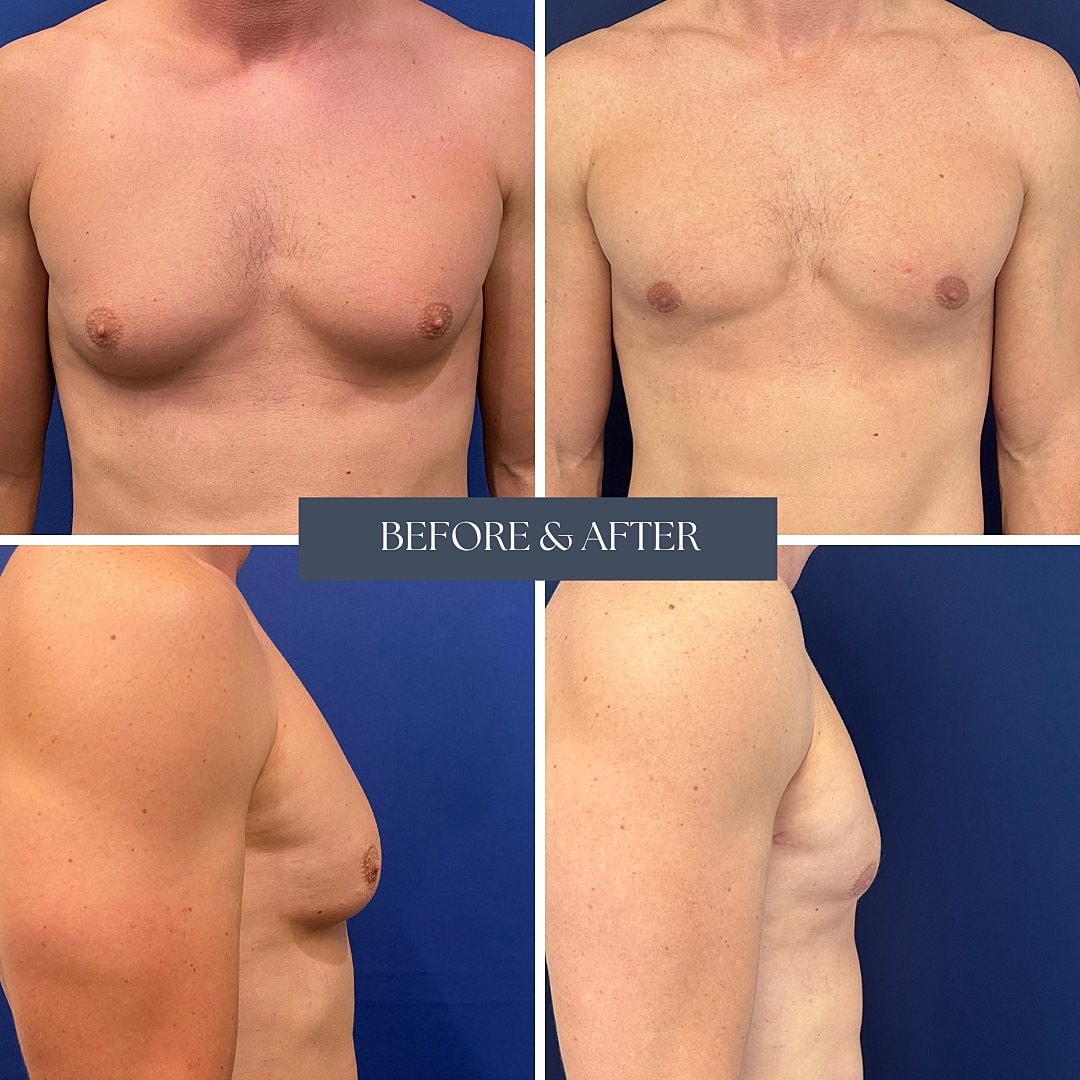
At our office in Newport Beach gynecomastia surgery (or male breast reduction) is a plastic surgery procedure designed to correct enlarged male breasts by reducing enlarged breast tissue, excess fat, and skin. The procedure can treat conditions ranging from mild puffiness to more pronounced breast enlargement, restoring a flatter, firmer chest.

Our Newport Beach gynecomastia surgery requires a tailored approach based on the specific composition and extent of the unwanted tissue. Dr. Compoginis evaluates three primary tissue types during your consultation: excess glandular tissue, fatty tissue, and skin. These factors, along with skin laxity, age, and others, influence which approach Dr. Compoginis takes.
True gynecomastia involves firm, dense glandular tissue located directly beneath the nipple and areola. This tissue cannot be removed through liposuction alone and requires direct surgical excision. Dr. Compoginis creates a small, discreet incision typically along the lower border of the areola where the scar will be well-concealed within the natural color transition.
Many men present with both glandular tissue and excess fat, requiring a combination approach. Dr. Compoginis typically begins with liposuction to remove fatty tissue from the chest and surrounding areas. This reduces overall chest volume and allows better access to the underlying glandular component.
After liposuction, he proceeds with glandular excision through periareolar incisions. This two-step approach creates the most natural-looking results for patients with mixed tissue types.
Even with more subtle correction, we can’t overstate the importance of achieving symmetrical results with gynecomastia surgery. With or without redundant tissue, most people naturally develop minor asymmetries in the chest and other parts of the body. The onset of gynecomastia can sometimes exaggerate this asymmetry. Dr. Compoginis meticulously measures and marks both sides of your chest before beginning the procedure to ensure he removes exactly the right amount of tissue from each side to produce symmetrical results.
*These videos may contain materials considered to be graphic and may not be suitable for all audiences

Male breast reduction surgery targets the chest area, including the glandular tissue beneath the nipple and surrounding fatty tissue, sculpting a natural-looking, masculine chest contour.

Benefits include the following:

Ideal candidates for gynecomastia surgery are men who have been struggling with excess tissue around the breast area for at least one to two years. You should be in good overall health, maintain a stable weight, and have realistic expectations about the outcomes this surgery can provide. The procedure works well for men whose gynecomastia causes physical discomfort or psychological distress, including negatively affected self-esteem.
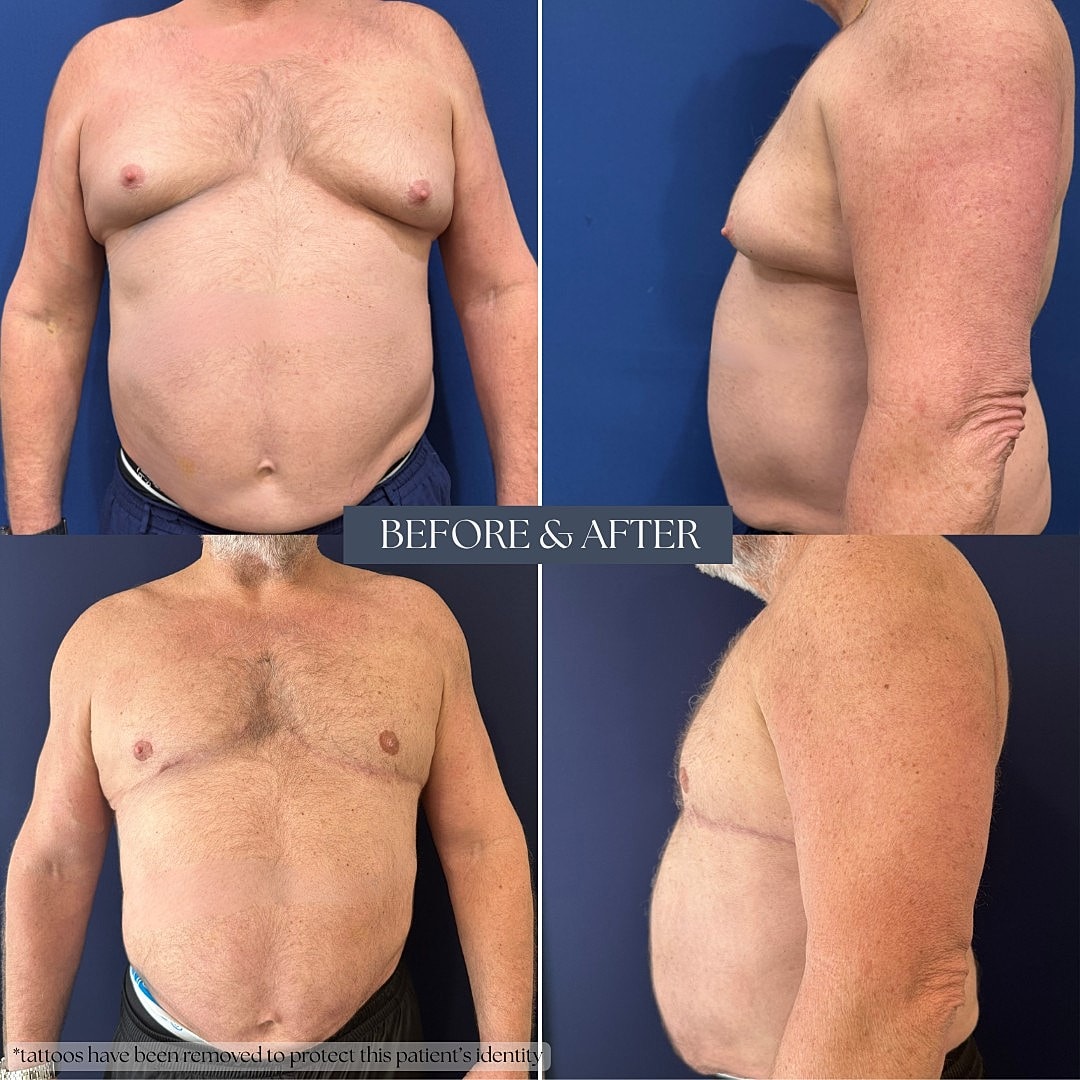
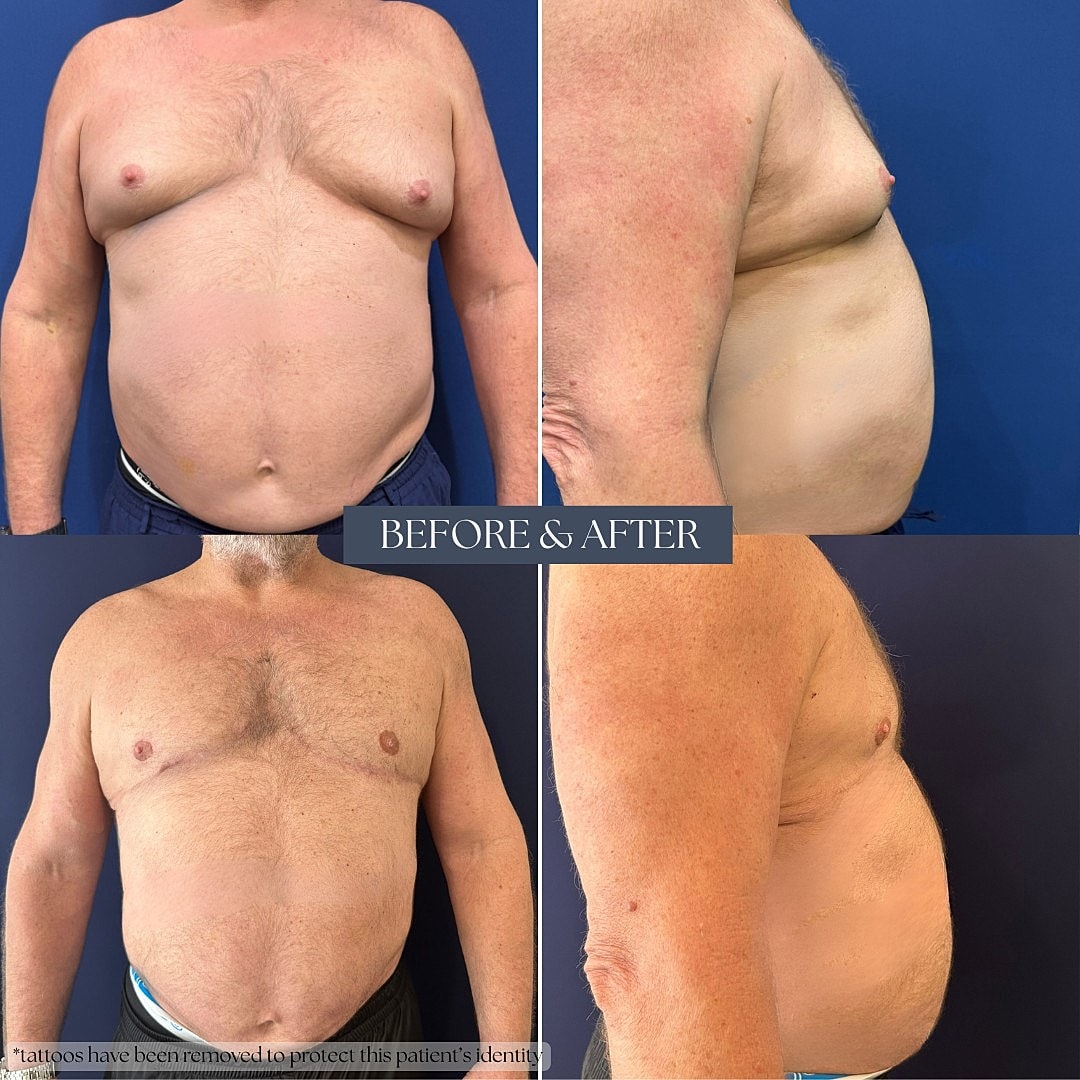
Strong candidates have good skin elasticity, which allows the chest skin to contract smoothly after tissue in the area is removed. If you have significant skin laxity or excess skin from major weight loss, Dr. Compoginis may recommend additional techniques to remove redundant skin and establish more masculine contours.
For gynecomastia surgery Newport Beach patients may not be appropriate if they have certain medical conditions or are taking certain medications. Men who smoke will need to abstain from smoking for several weeks before and after surgery. Dr. Compoginis will review your medical history, current medications, and previous treatments to determine your candidacy for this surgery.
Gynecomastia surgery is typically performed under general anesthesia. The surgery takes two to three hours, though more extensive cases requiring skin removal may need additional time. You’ll go home once you’ve recovered from anesthesia (typically the same day), with specific aftercare instructions and prescribed pain medication.
Recovery from gynecomastia surgery requires patience and careful adherence to aftercare guidelines.
Expect swelling, bruising, and tightness across your chest during the first few days after surgery. Discomfort is typically moderate and well-controlled with prescription pain medication.
You’ll leave surgery wearing a compression garment, which you must wear as directed. This garment minimizes swelling, supports healing tissues, and helps skin conform to your new chest contours. While the garment feels restrictive initially, most men quickly adapt to wearing it.
Surgical drains are sometimes placed to prevent fluid accumulation. If drains are used, they typically remain for three to five days before removal at a follow-up appointment. Dr. Compoginis will provide detailed instructions for drain care.
Most men return to non-physical work within five to seven days after surgery. Physical jobs or careers requiring heavy lifting necessitate two to three weeks off. During this initial healing phase, avoid raising your arms above shoulder height, as this motion can stress incisions and increase swelling.
You’ll notice significant bruising during the first week, with discoloration potentially extending down to your abdomen due to gravity. This is completely normal. Bruising gradually fades over two to three weeks, transitioning from dark purple to yellow-green before disappearing entirely.
The swelling will mostly resolve during this period, though some residual swelling will likely remain. You can gradually resume light activities, but you must continue avoiding heavy lifting and other more intense activities. Walking and lower-body exercises are encouraged, as movement promotes circulation without stressing the chest.
While you’ll see dramatic improvement within weeks, final results emerge gradually over three to six months as residual swelling resolves and tissues settle completely. Incision lines initially appear pink or red but fade significantly over six months to a year. Following proper scar care recommendations, including sun protection, helps minimize scar visibility.
Removed glandular tissue and fat cells don’t regenerate, making gynecomastia surgery results permanent under normal circumstances. However, if you gain a significant amount of weight at any point after your procedure, the remaining fat cells can enlarge, potentially reproducing the original issue.

Double board-certified plastic surgeon Dr. John M. Compoginis combines advanced surgical expertise with a personalized, patient-focused approach. His experience ensures natural-looking results, minimal scarring, and attention to each patient’s unique anatomy and aesthetic goals.

Insurance coverage for gynecomastia surgery varies significantly between providers and individual policies. Most insurers classify the procedure as cosmetic and don't provide coverage. However, if your gynecomastia causes physical symptoms such as pain, skin irritation, or postural problems, some policies may offer partial or full coverage.
True gynecomastia involves the proliferation of firm glandular tissue beneath the nipple and areola. You can often feel this tissue as a rubbery or firm mass when pressing on the chest. Pseudogynecomastia refers to breast enlargement caused solely by excess fatty tissue without glandular development.
Scar visibility depends on the extent of surgery required. For cases treated with periareolar incisions only, scars are typically very discreet, hidden within the natural color transition at the areolar border. These incisions heal well and become barely noticeable within a year. More extensive cases requiring skin removal involve longer incisions that may be more visible, though Dr. Compoginis strategically places all incisions to minimize their appearance.
Light cardio, such as walking on a treadmill or using a stationary bike, is typically permitted after two weeks. However, you must avoid upper body exercises, heavy lifting, and any activity that significantly elevates your heart rate or blood pressure for six weeks. These are general guidelines; always defer to your provider’s instructions.
Pre-existing asymmetry is extremely common, with one side typically showing more enlargement than the other. Dr. Compoginis addresses this during surgery by adjusting the amount of tissue removed from each side to create balanced results.

Mon- Fri: 9am - 5:00pm