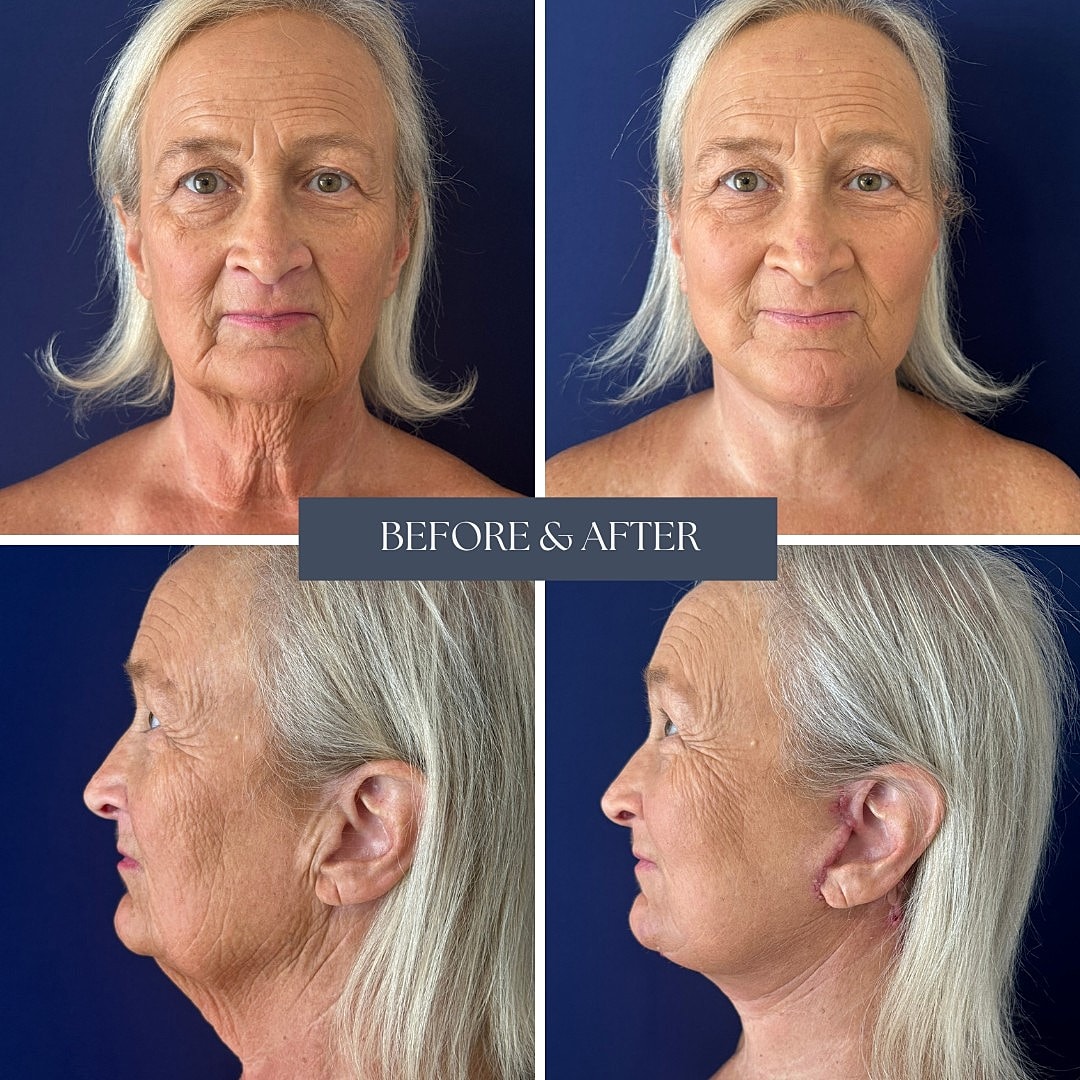
Facelift
Conveniently located in Los Angeles, Orange County, and the Inland Empire

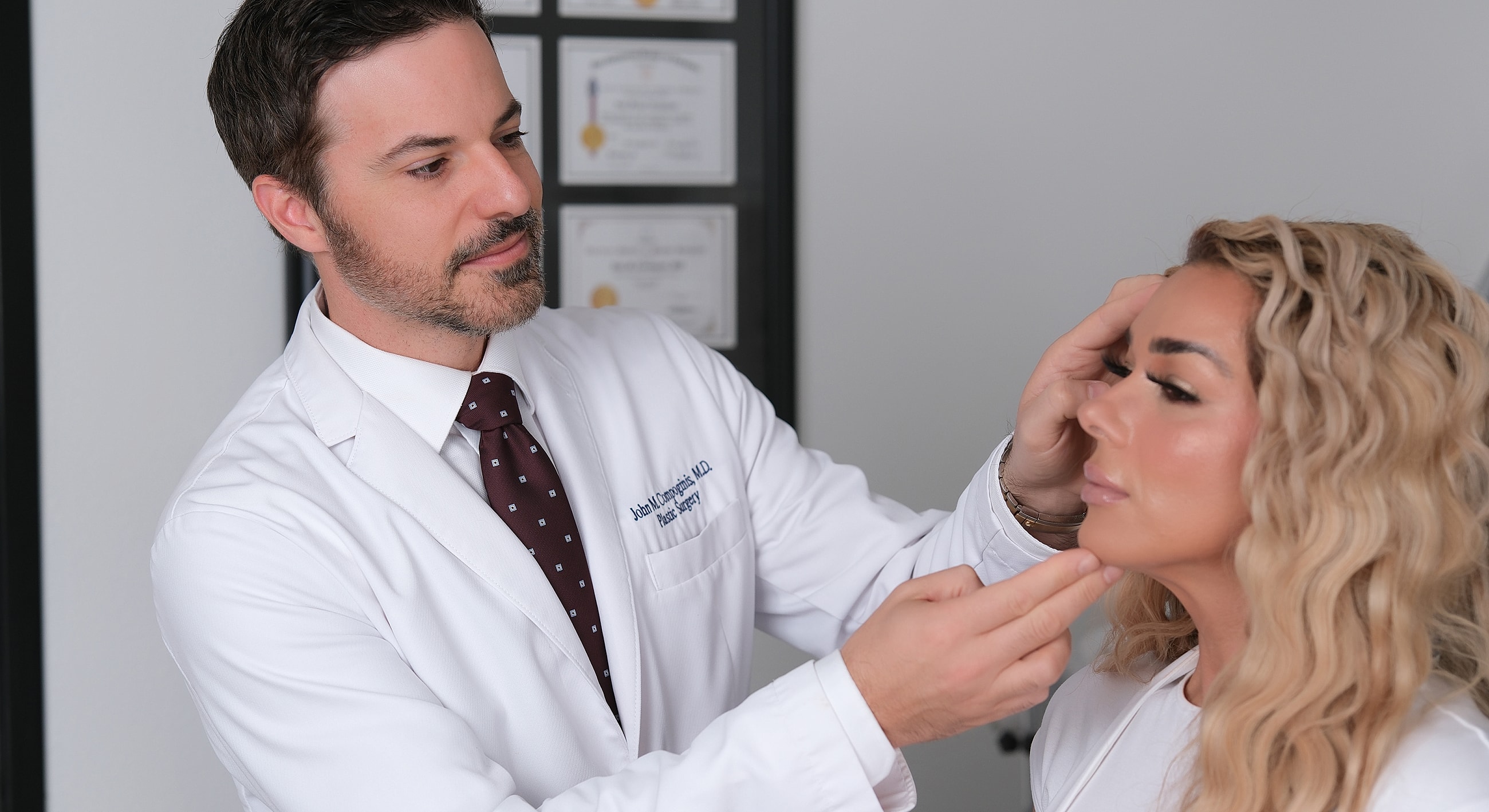
As facial aging progresses, many individuals experience sagging skin, loss of facial volume, and reduced skin elasticity. As skin loses elasticity and underlying facial tissues sag, wrinkles, jowls, and a less defined jawline can develop. Dr. John M. Compoginis offers facelift procedures designed to address these natural signs of aging and restore a more youthful, refreshed appearance.
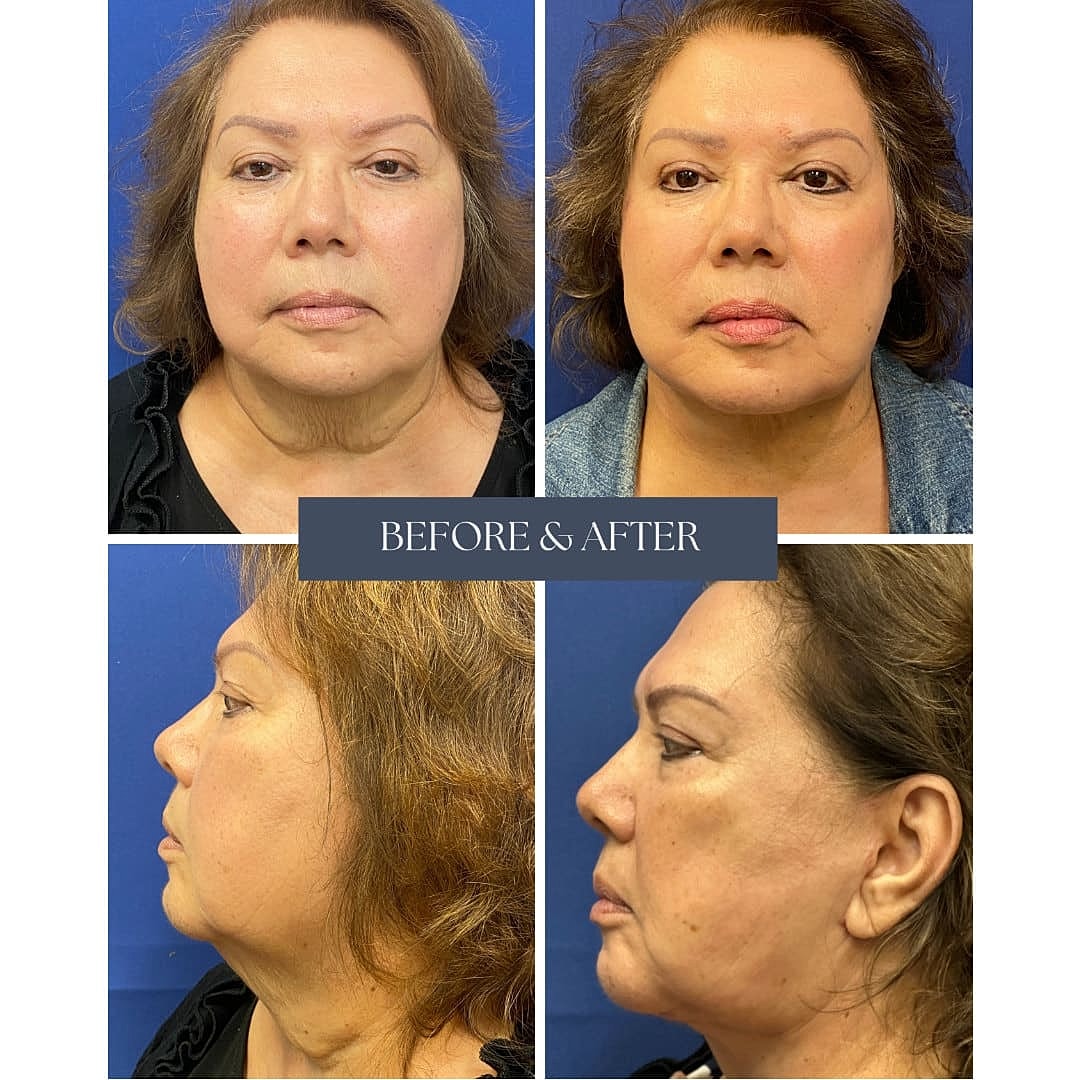
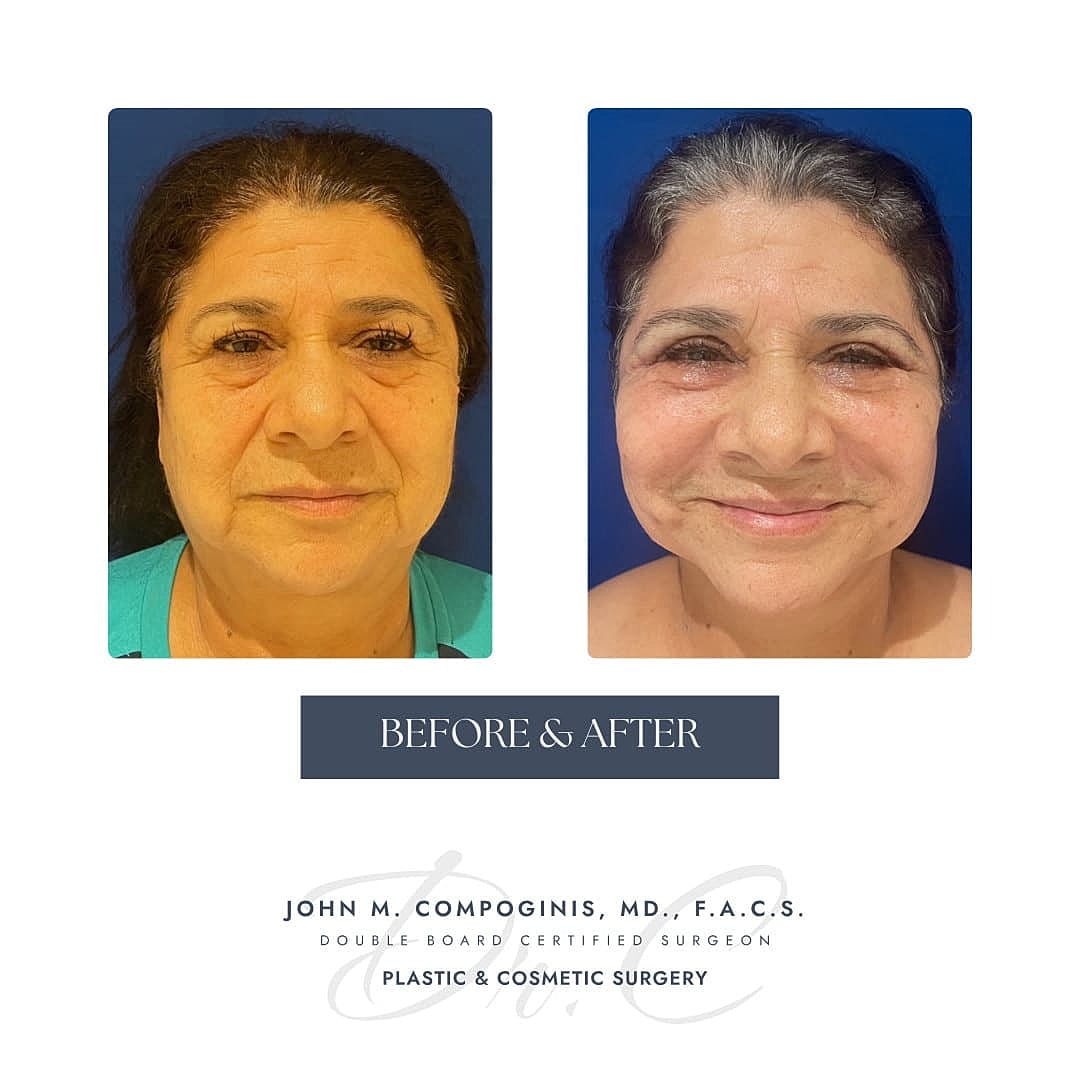
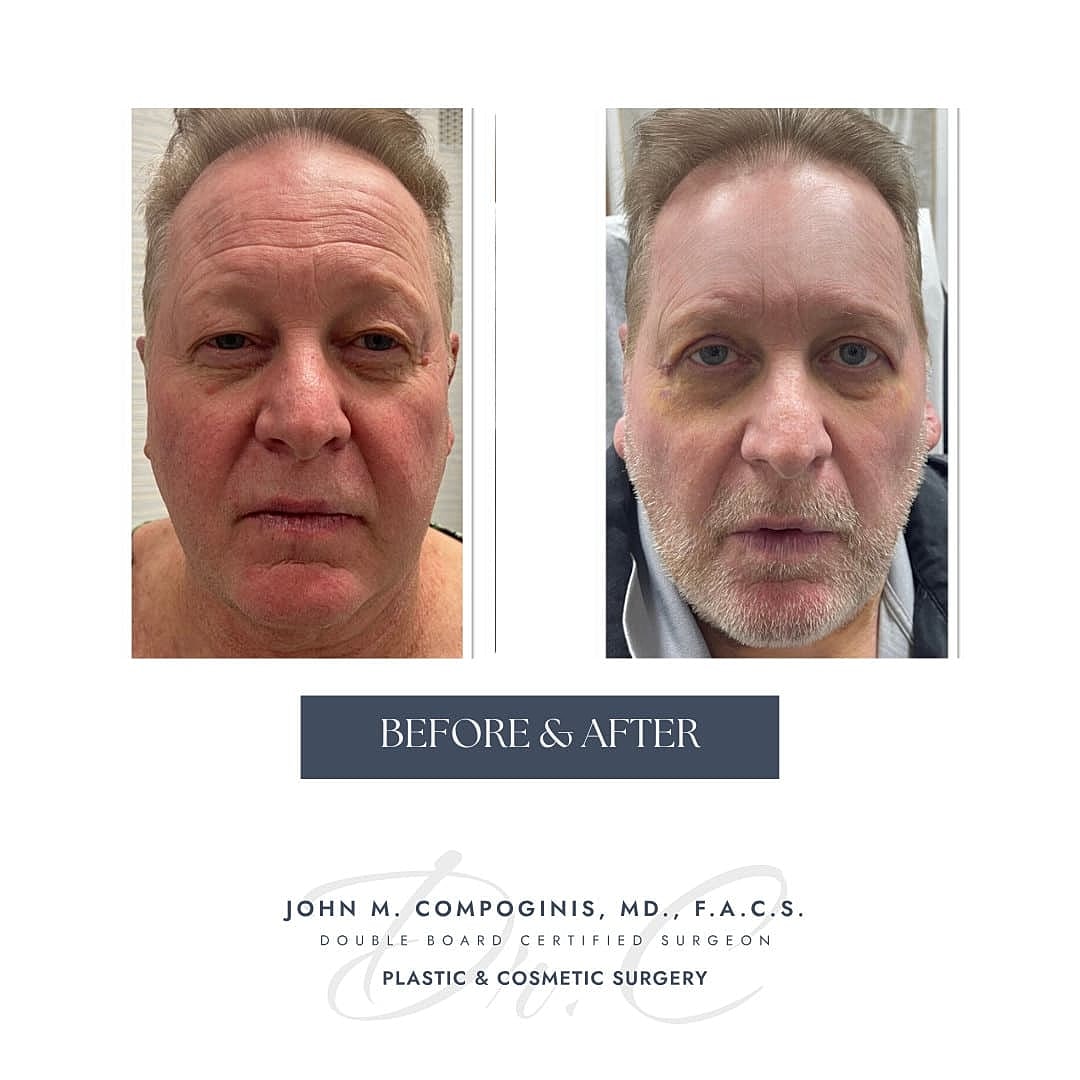
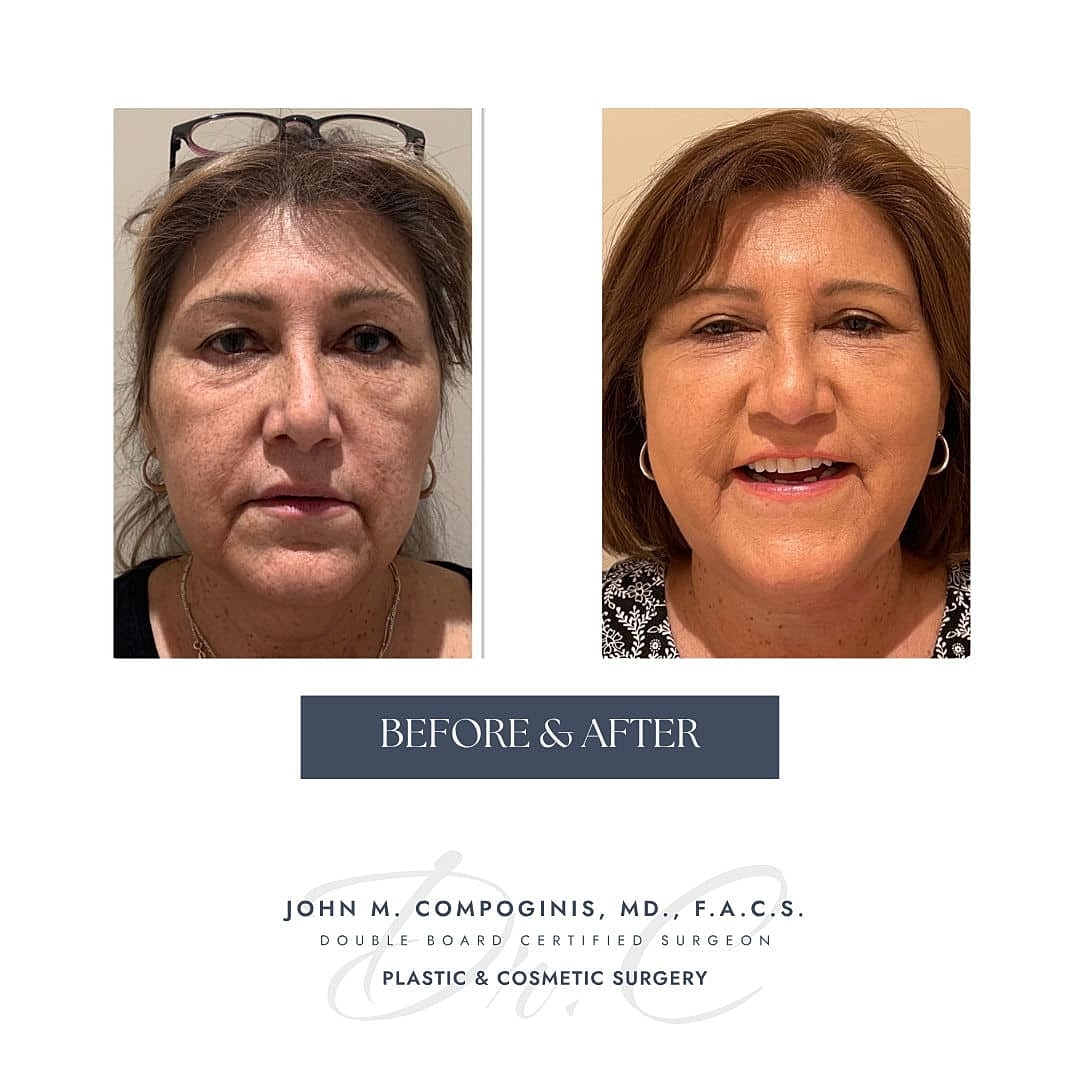
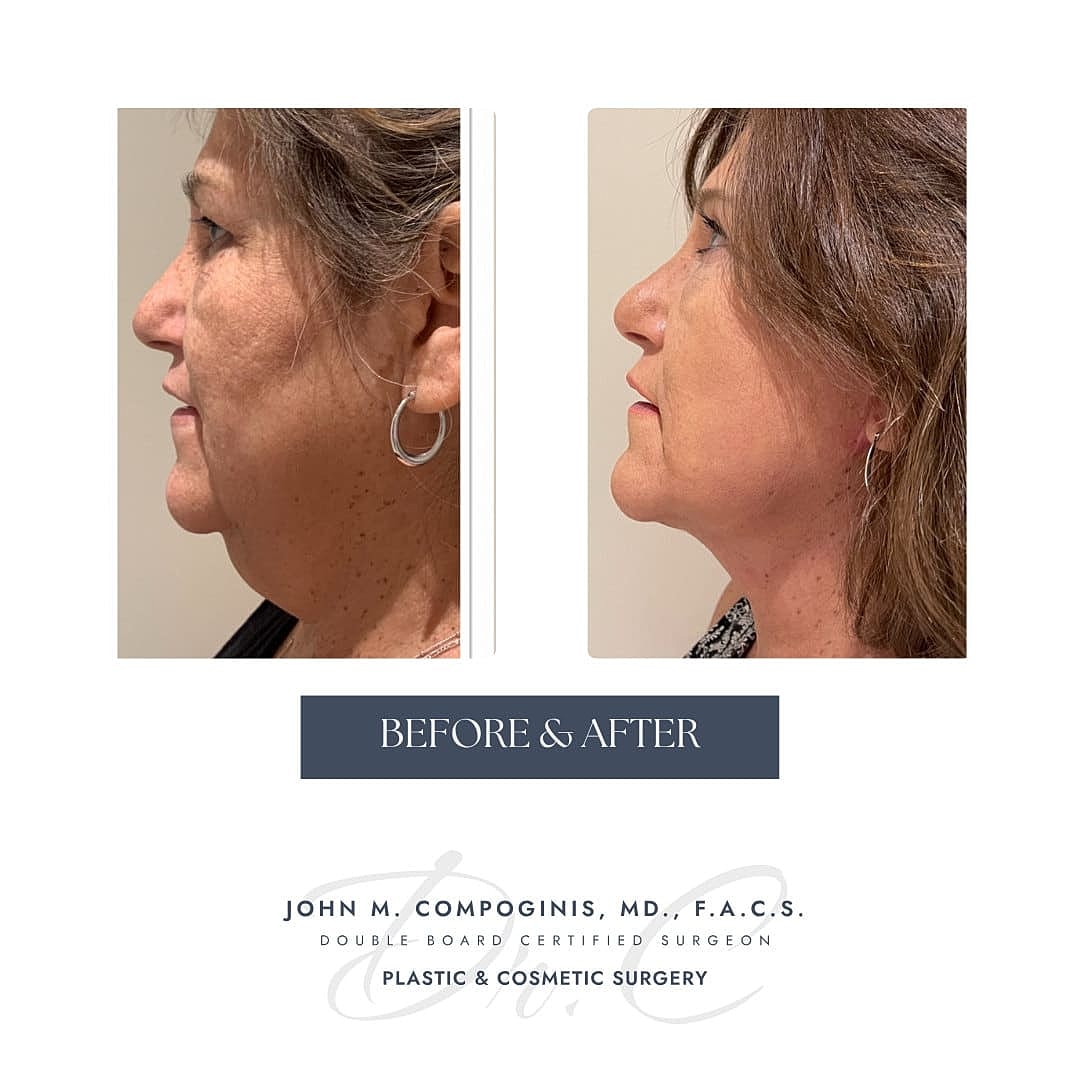
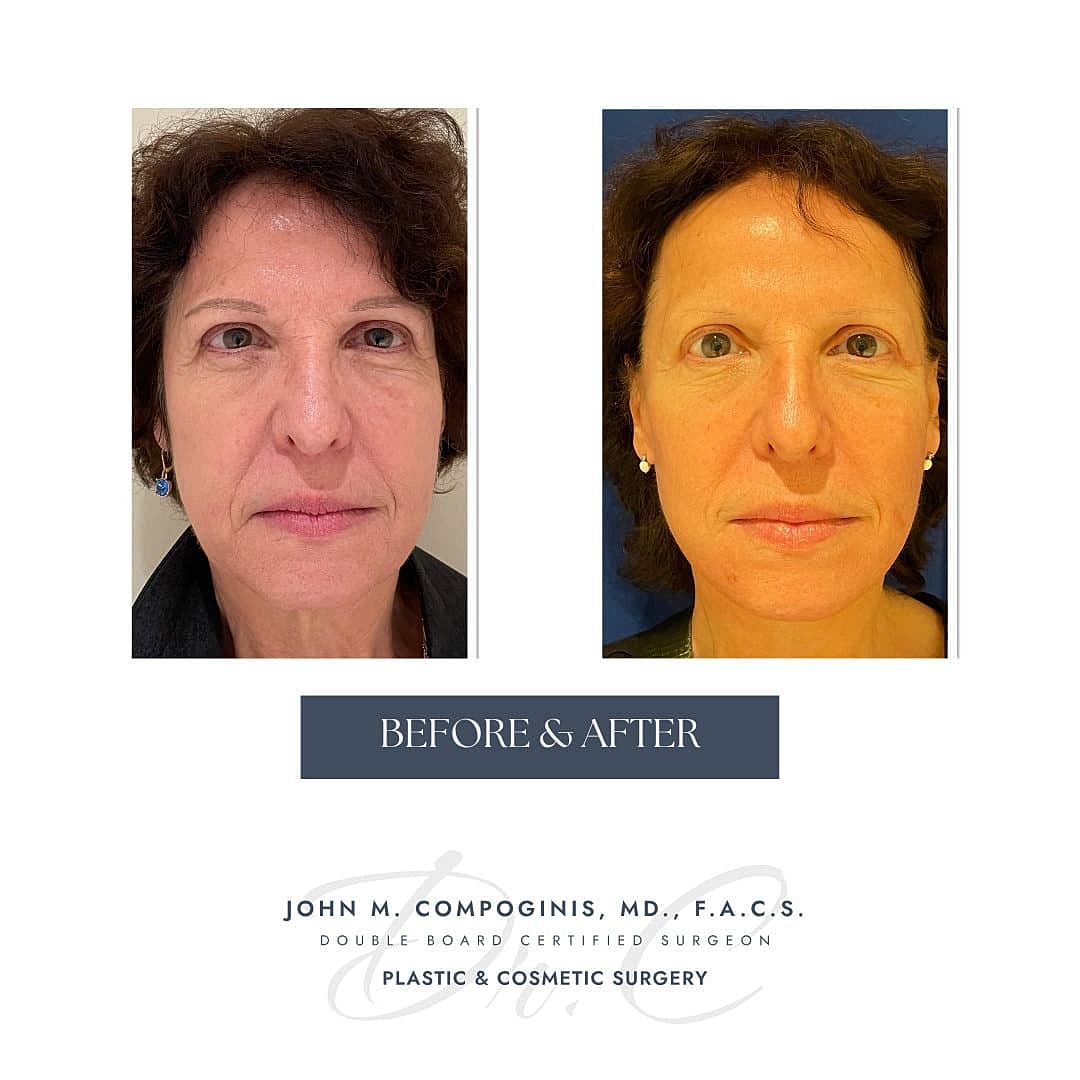
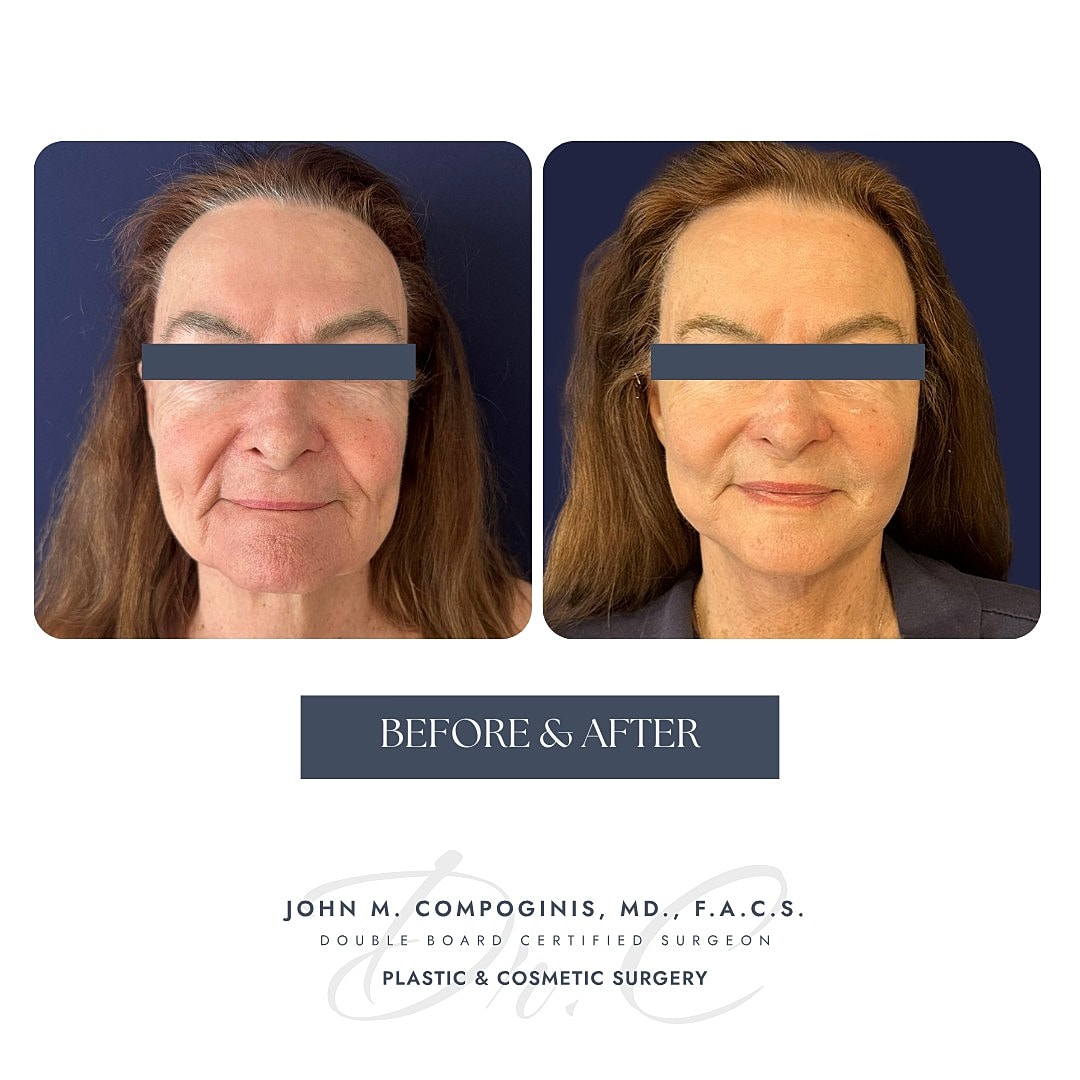
Facelift surgery restores youthful definition by lifting underlying facial structures and smoothing excess skin. Dr. John Compoginis approaches each Newport Beach facelift with precision and artistry, creating refined results that look natural and balanced. His goal is not to make patients look different, but to help them look like a refreshed version of themselves.
1 of 9

Lift sagging facial tissues and smooth wrinkles
Cheeks, jawline, and neck
Typically several hours depending on the technique
Initial recovery usually takes a few weeks
Long-lasting improvement in facial definition and youthfulness

As facial aging progresses, many individuals experience sagging skin, loss of facial volume, and reduced skin elasticity. As skin loses elasticity and underlying facial tissues sag, wrinkles, jowls, and a less defined jawline can develop. Dr. John M. Compoginis offers facelift procedures designed to address these natural signs of aging and restore a more youthful, refreshed appearance.
A facelift, also known as rhytidectomy, is a surgical procedure designed to improve visible signs of aging in the face and neck. Rather than simply tightening skin, modern facelift techniques reposition deeper facial tissues and remove excess skin to create smoother, more natural-looking contours.
Dr. Compoginis customizes each facelift to match the patient’s facial structure, age-related changes, and aesthetic goals. Depending on the individual, surgery may focus on the midface, jawline, or neck, and can sometimes be combined with complementary treatments for comprehensive facial rejuvenation.

Also known as a rhytidectomy, a facelift repositions the deeper layers of facial tissue, including the superficial musculoaponeurotic system (SMAS). This layer of connective tissue provides structural support to your face, and when it loosens with age, the overlying skin follows suit. Unlike topical treatments or injectables that address surface concerns, facelift surgery tackles the root cause of facial sagging by lifting and securing these foundational structures. To this day, facelift surgery remains the gold standard for patients who want dramatic, long-lasting results.
The procedure requires precision and a deep understanding of how your facial anatomy responds to natural movements and to the aging process. Dr. Compoginis carefully repositions tissue planes to create results that look natural and age gracefully. This surgical approach restores the architectural support your face had in younger years, producing changes that typically last 10 to 15 years or more.
Different facelift techniques address different concerns, areas, and severity. A traditional facelift treats the midface, lower face, and neck comprehensively. A mini facelift, or short-scar facelift, is well suited for patients with early signs of aging who need less extensive correction. During your consultation, Dr. Compoginis will recommend the approach that best matches your anatomy and aesthetic goals.
Facelift surgery begins with an in-depth consultation at Dr. Compoginis’ practice, where a customized surgical plan is developed. On the day of surgery, the procedure is performed under either general anesthesia or local anesthesia with sedation, based on patient preference and the complexity of the surgery.
To minimize visible scarring, incisions are typically placed at the hairline near the temples, extend around the ears, and sometimes continue into the lower scalp. Excess skin is removed, with the overlying skin carefully redraped for a smooth contour. Finally, incisions are carefully closed to optimize healing and reduce scar visibility. The surgery usually lasts between three and five hours, depending on the extent of the treatment. If you’re combining your facelift with other procedures, Dr. Compoginis will perform these during the same surgical session. Combining procedures shortens your total recovery time and reduces your exposure to anesthesia, while providing more comprehensive results.

With a facelift Newport Beach patients can improve several common signs of aging in the face and neck, including:
By repositioning deeper tissues and removing excess skin, facelift surgery restores smoother, more youthful contours.
Our Newport Beach facelift targets key facial zones often affected by aging, including:
By precisely repositioning tissues and removing excess skin in these areas, a facelift enhances overall facial balance.
Understanding how aging affects each area is key to developing an informed understanding of your tailored facelift procedure. With age, the cheeks lose volume and descend, creating hollows under the eyes and flattening the midface. Jowls form as tissue along the jawline loosens and fat pockets shift downward. The neck develops vertical bands and excess skin that softens its profile. Nasolabial folds deepen as the cheeks lose their elevated position.
Dr. Compoginis addresses these interconnected changes during surgery. He lifts the midface to restore cheek prominence, tightens the jawline to eliminate jowls, smooths the neck by addressing both muscle and skin laxity, and reduces the prominence of nasolabial folds by elevating tissue rather than directly cutting the fold itself.

Facelift surgery offers several advantages beyond simply reducing wrinkles:
Ideal candidates for facelift surgery in Newport Beach generally include individuals who are in good overall health without underlying conditions that might impair healing and who do not smoke or are willing to stop smoking before and after the procedure. Candidates usually exhibit mild to moderate facial sagging and skin laxity, have realistic expectations regarding surgical outcomes, and are motivated to maintain long-term facial rejuvenation results.
Certain factors, such as severe medical conditions, active smoking, or unrealistic goals, may require additional evaluation or suggest alternative options instead.
Patients with moderate or better skin elasticity tend to achieve the best results with a facelift because their skin can conform to new contours after underlying tissues have been repositioned. Those with advanced sun damage or thin skin may still benefit from surgery, though results might differ from patients with better skin quality.
Age is not always a highly reliable indicator of how much skin laxity a patient may present with to treatment. Some patients in their late 40s show significant sagging and benefit from a full facelift, while others in their 60s might need only a mini facelift. Dr. Compoginis evaluates your individual anatomy rather than making recommendations based solely on chronological age.
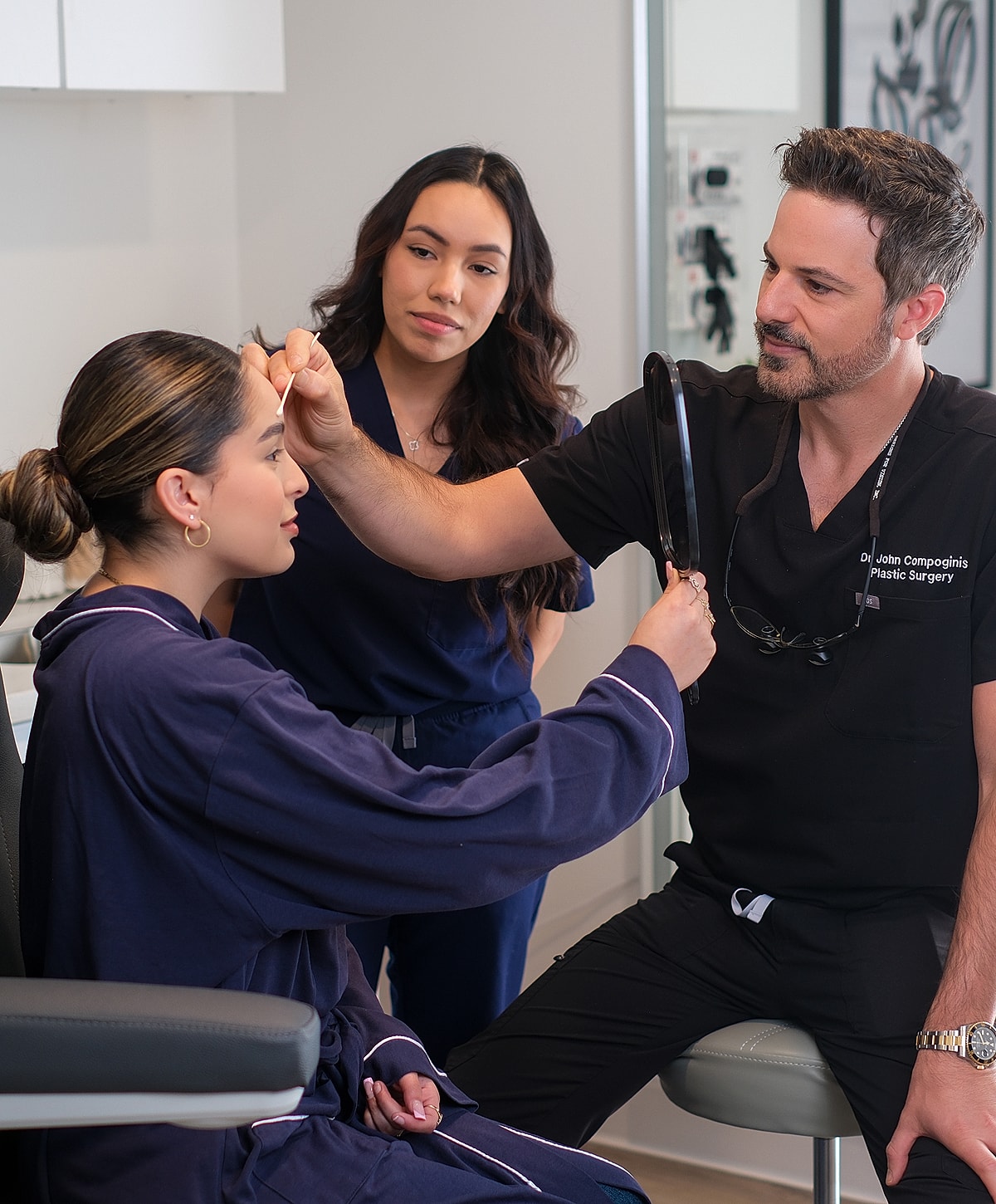
During your consultation, Dr. Compoginis will examine your facial structure, skin quality, and degree of aging. He’ll discuss your medical history, current medications, and lifestyle factors that could affect healing. All of these factors will influence how Dr. Compoginis tailors his approach to your case.

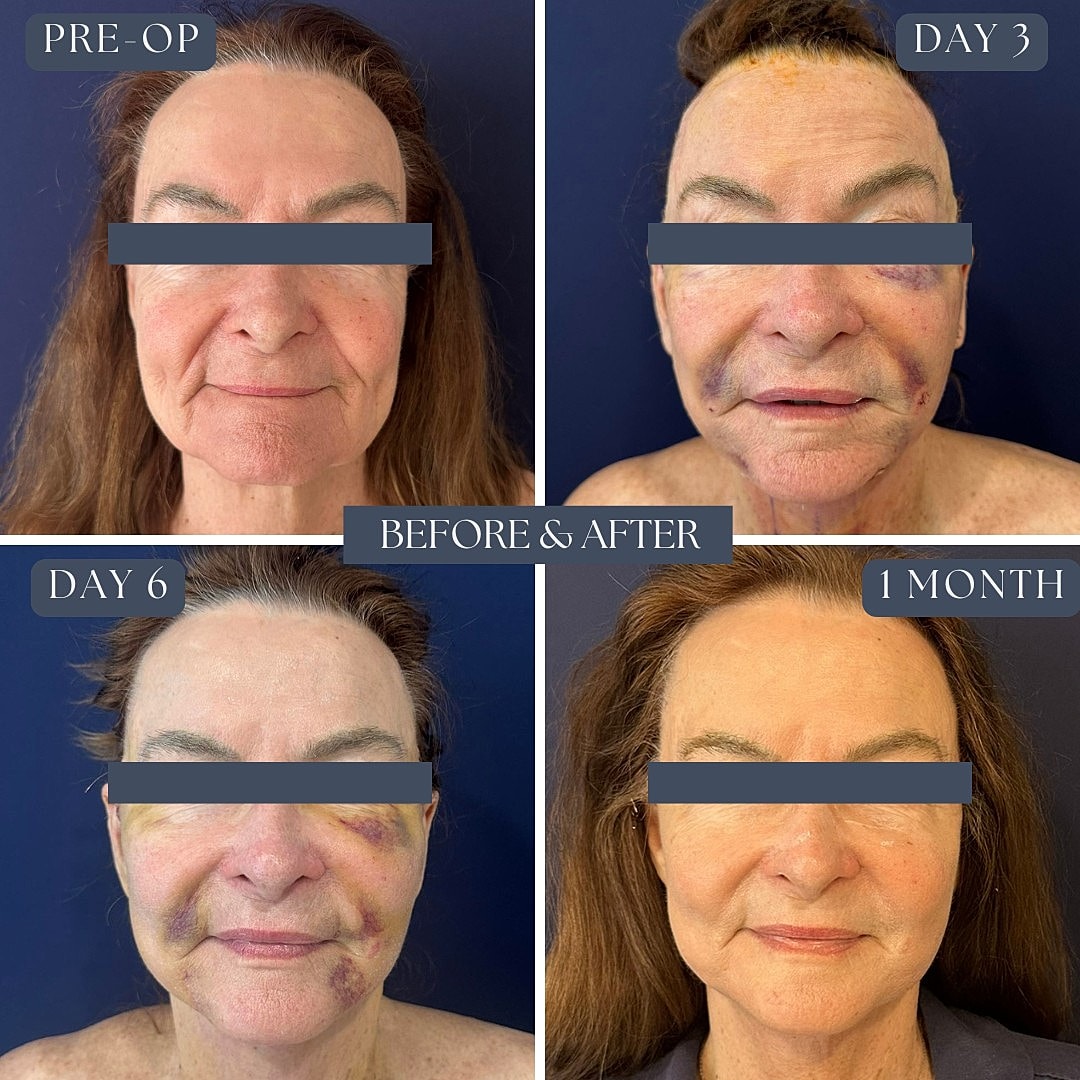
Following a facelift Newport Beach patients can expect swelling and bruising during the first one to two weeks. Mild to moderate discomfort is managed with prescribed pain medication. Activity restrictions, including avoiding strenuous exercise, are typically recommended for three to four weeks. Sutures are usually removed within seven to ten days after surgery.
Follow-up visits during the first month monitor healing and progress. Most patients can return to normal daily activities within two weeks. Initial improvements are visible then, while the final results become apparent over several months as swelling fully subsides and tissues settle into their new contours.
As swelling resolves, the results of facelift surgery become increasingly visible. Patients typically notice smoother skin, improved jawline definition, and a more youthful facial profile.
The goal of a well-performed facelift is subtle rejuvenation rather than an obvious change. Friends and family may notice that you look refreshed or well rested without immediately recognizing that surgery was performed.
Your facelift results can last 10 to 15 years or longer, but even before you approach that limit, the aging process may still affect your results. You’ll continue to age naturally from your new baseline, just as you would have without surgery. Maintaining your results requires a thoughtful approach that combines surgical outcomes with ongoing care.
Sun protection is a non-negotiable item for facelift patients looking to preserve their results for as long as possible. Wear broad-spectrum sunscreen with SPF 30 or higher daily, even on cloudy days. Sun-protective clothing and wide-brimmed hats are also helpful.
A consistent skincare routine will support your surgical results. Medical-grade products containing retinoids, antioxidants and growth factors can help maintain skin quality and slow further aging. Dr. Compoginis can recommend specific products that complement your post-facelift skin.
Maintaining a stable weight supports your facelift results over the long term. A nutritionally dense diet that supplies your skin with the antioxidants, healthy fats and lean proteins it needs will keep it firm, radiant and able to repair itself.
Smoking and frequent alcohol consumption accelerate the aging process. If you quit smoking for surgery, staying tobacco-free long-term preserves your results and overall health. Limiting alcohol intake will cut down on inflammation that can exacerbate skin issues.
Some patients choose to have a secondary facelift years after their initial procedure. This “tune-up” surgery addresses new aging while building on the foundation created by your first facelift. The decision to pursue revision surgery depends on your individual aging pattern and aesthetic preferences.
Dr. John M. Compoginis is a double board-certified surgeon in Los Angeles with extensive expertise in facial procedures, particularly facelift surgery. His approach expertly combines advanced surgical skills with a deep understanding of natural facial anatomy, aiming to enhance youthful contours while avoiding an artificial look. The practice emphasizes a patient-focused experience, tailoring treatment plans to each person’s distinct facial features and aesthetic goals.
Dr. Compoginis stays current with evolving facelift techniques. He attends professional conferences, reviews current research and incorporates proven innovations into his practice. This commitment to ongoing education benefits patients who receive the most effective, evidence-based care available.
With locations in Newport Beach, Palmdale, and Redlands, Dr. Compoginis employs the latest facelift techniques and prioritizes rigorous safety protocols throughout the surgical journey. Known for delivering refined, natural-looking results and providing thorough post-operative care, Dr. Compoginis enjoys a strong reputation for patient satisfaction in facial rejuvenation.
Reclaim Beautifully Youthful Contours With a Facelift by Dr. Compoginis
When facial aging creates a disconnect between how you look and how you feel, facelift surgery with Dr. Compoginis can restore that alignment. His surgical expertise and commitment to natural-looking results give you the confidence that comes from looking authentically like yourself, but more rested and refreshed.
Schedule your consultation by calling (949) 247-8543 for our Newport Beach location or (661) 537-3030 for our Palmdale location. You can also book online to begin your personalized treatment plan. Dr. Compoginis serves patients throughout Orange County and the Inland Empire with exceptional surgical care and comprehensive support.
Facelift surgery costs vary depending on the surgical technique used and the extent of treatment required. Dr. Compoginis’ practice offers individualized cost estimates during consultation based on the patient’s goals and needs. Financing options are available through CareCredit and the ALPHAEON CREDIT card to help manage payment plans.
While there’s no specific age to get a facelift, depending on their skin laxity and aging patterns, people as young as their mid- to late thirties can undergo this procedure. The ideal timing varies based on personal facial aging and overall health.
Incisions are strategically placed around the hairline and ears to minimize visible scarring. These scars typically fade over time and become less noticeable with proper healing.
Discomfort is typically mild to moderate and managed with prescribed pain medication. Most patients describe soreness rather than sharp pain during recovery.
Smoking impairs healing and increases complications; patients should stop smoking several weeks before surgery and throughout the recovery period.
Most patients enjoy results lasting 10 to 15 years or more. Factors like genetics, sun exposure, skincare habits, and lifestyle choices influence longevity. Many patients find their results remain satisfying for well over a decade before considering any additional treatment.
The two procedures need to be carefully coordinated, which means clearly communicating with both providers. Generally, more extensive dental work should be completed at least six weeks before or after your facelift to avoid complications. The pressure and movement involved in dental work can stress healing facial tissues.
A properly performed facelift will not affect your ability to make natural facial expressions and movements. Dr. Compoginis carefully protects facial nerves during surgery and avoids overtightening skin, which can create a frozen or unnatural appearance. You'll be able to smile, laugh, and show emotion normally once you've healed.
A facelift primarily addresses the midface, jawline, and jowls, while a neck lift focuses specifically on the neck area. Many patients benefit from combining both procedures to achieve comprehensive rejuvenation from the midface through the neck. During your consultation, Dr. Compoginis will examine your anatomy and recommend whether you need a facelift alone, a neck lift alone, or both procedures together for optimal results.
Most patients can apply makeup to areas away from incisions within one week. You'll need to wait until sutures are removed (typically seven to ten days) before applying makeup directly near incision sites.

Mon- Fri: 9am - 5:00pm