Brazilian Butt Lift
Conveniently located in Los Angeles, Orange County, and the Inland Empire


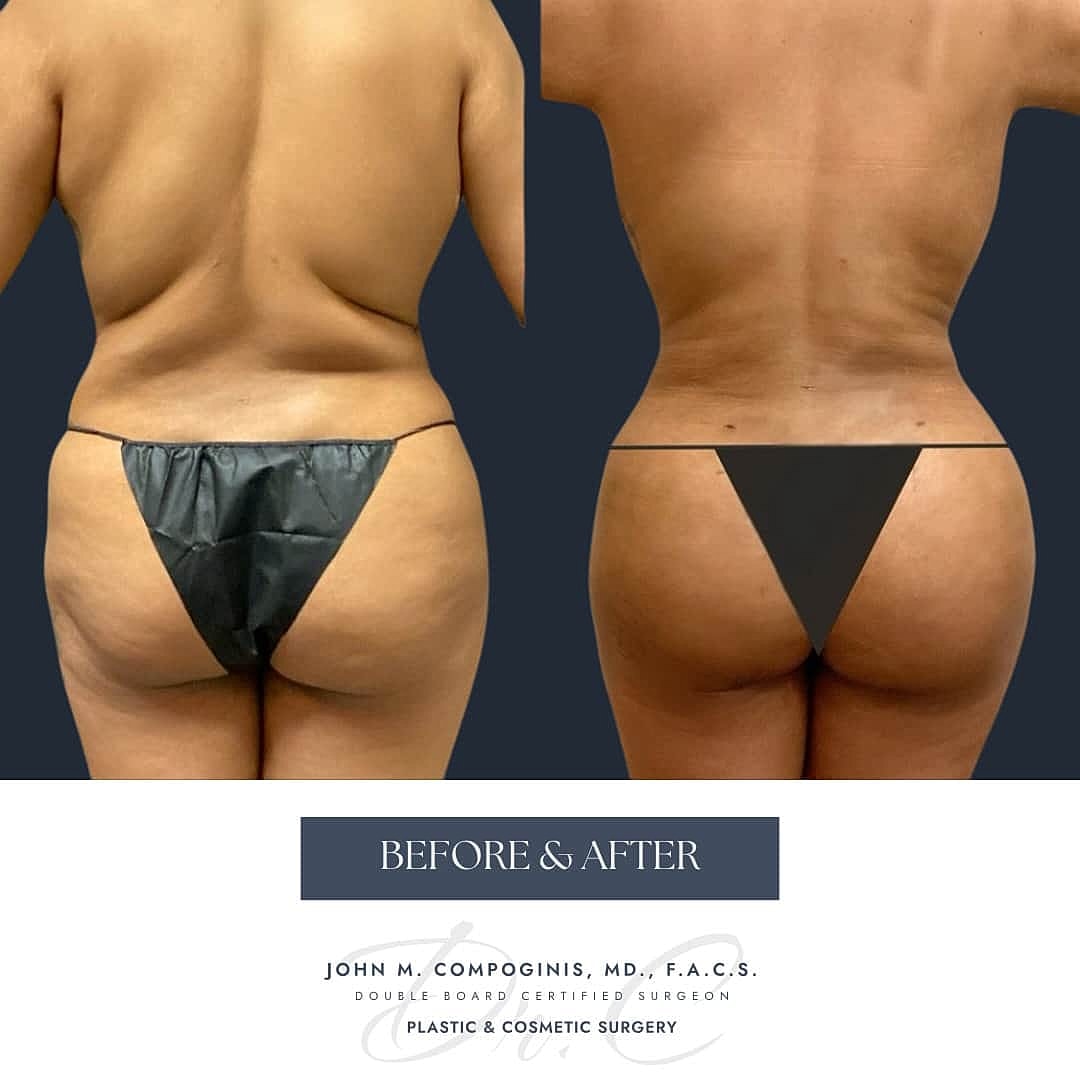
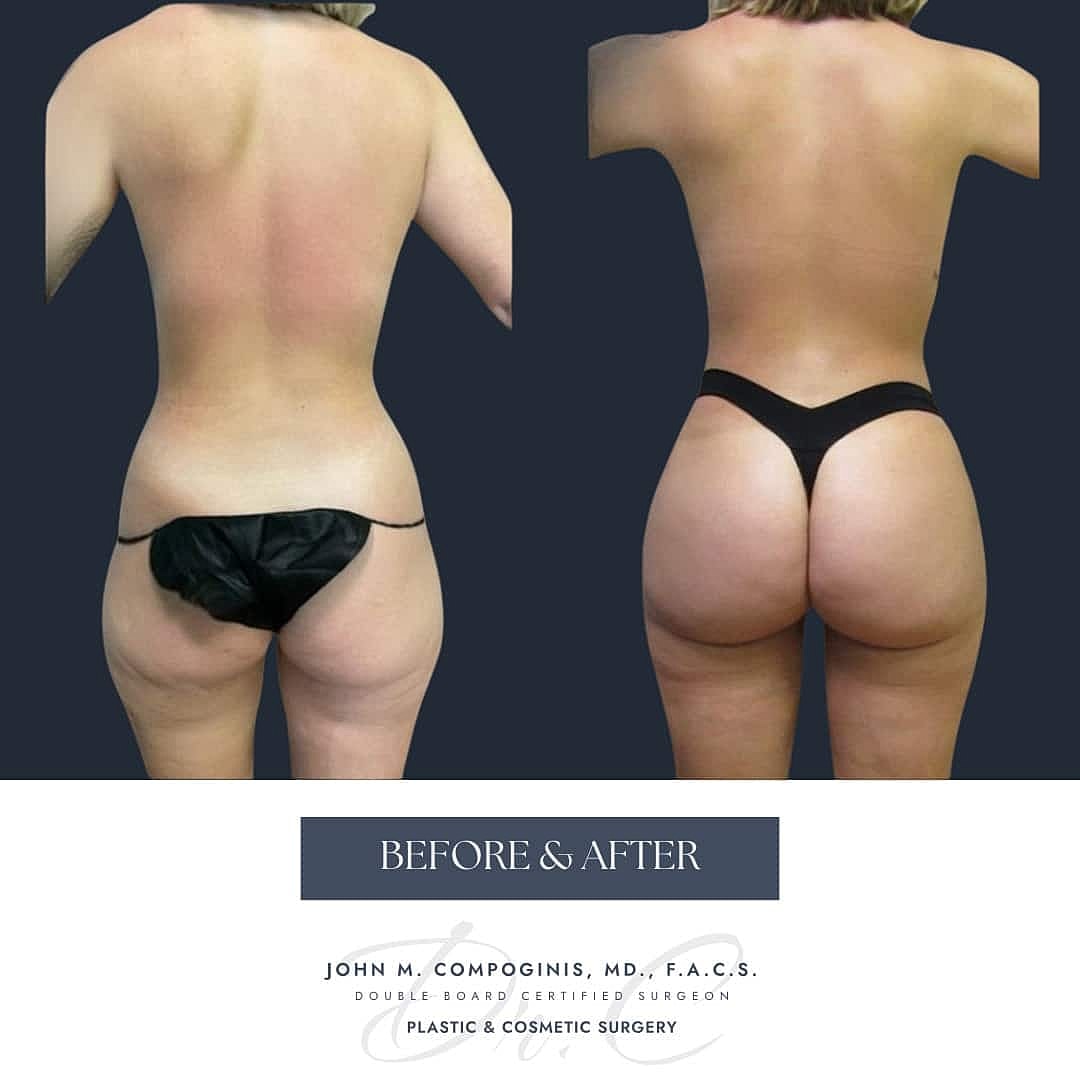
As profoundly life-changing as bariatric surgery can be, dramatic weight loss often comes with certain side effects that require a separate procedure to address effectively. For example, many weight loss surgery patients notice that, while they feel much more mobile and active after their weight loss procedure, their lower body contours are poorly defined. Our Newport Beach Brazilian Butt Lift (BBL) offers a safe and highly effective way to restore a shapely, proportionate backside for these patients.
Board-certified cosmetic surgeon Dr. John Compoginis specializes in post-weight-loss body contouring procedures like BBL, using fat transfer techniques to strategically restore attractive, natural-looking contours to your buttocks.
1 of 10

Gluteal fat grafting using your own purified fat
Fat is removed with liposuction, purified, and injected into the buttocks
Enhances curves while sculpting the surrounding areas of the body
Initial recovery typically requires several weeks
Natural-looking buttock enhancement and improved body proportions

A Brazilian Butt Lift (BBL) is a body contouring procedure that enhances the buttocks using fat transfer. Instead of silicone implants, the procedure uses excess fat from other areas of the body to create fuller, more sculpted curves.
A Brazilian Butt Lift involves removing fat from areas such as the abdomen, hips, or thighs using liposuction. The extracted fat is purified and carefully injected into the buttocks to create improved volume, shape, and projection.
Because BBL buttock augmentation uses autologous fat transfer, the results often look and feel more natural compared to synthetic butt implants. This approach also allows surgeons to sculpt multiple areas of the body during a single procedure, thereby improving overall body proportions.
While the skin can typically adapt to gradual, less dramatic weight loss over time, the speed and volume of weight loss associated with bariatric surgery often prove too much for the buttock area. As a result, the buttocks are left looking flat, saggy, or disproportionately small. On the other hand, many post-bariatric patients are left with lingering fat deposits, even though they’ve met their goal weight.
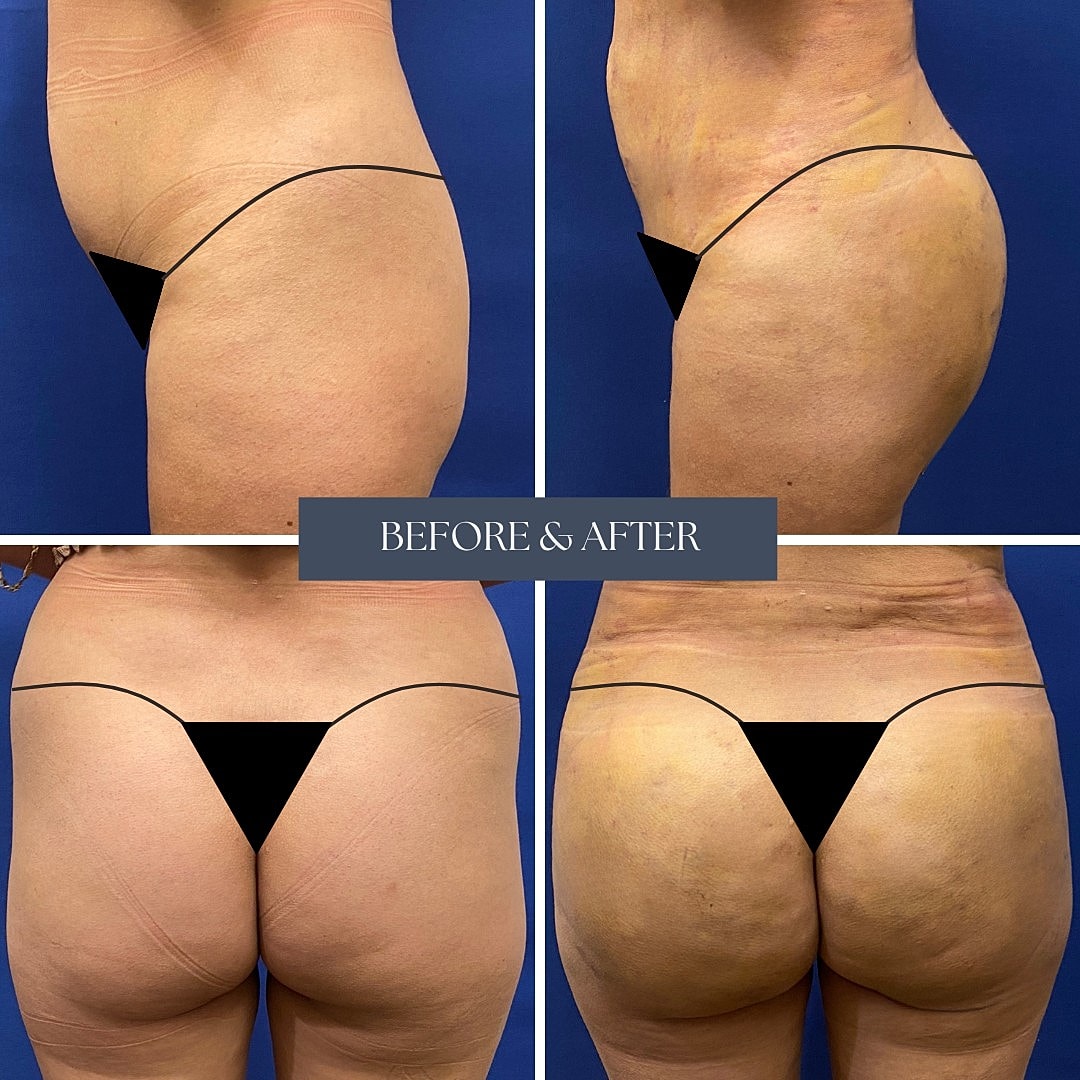
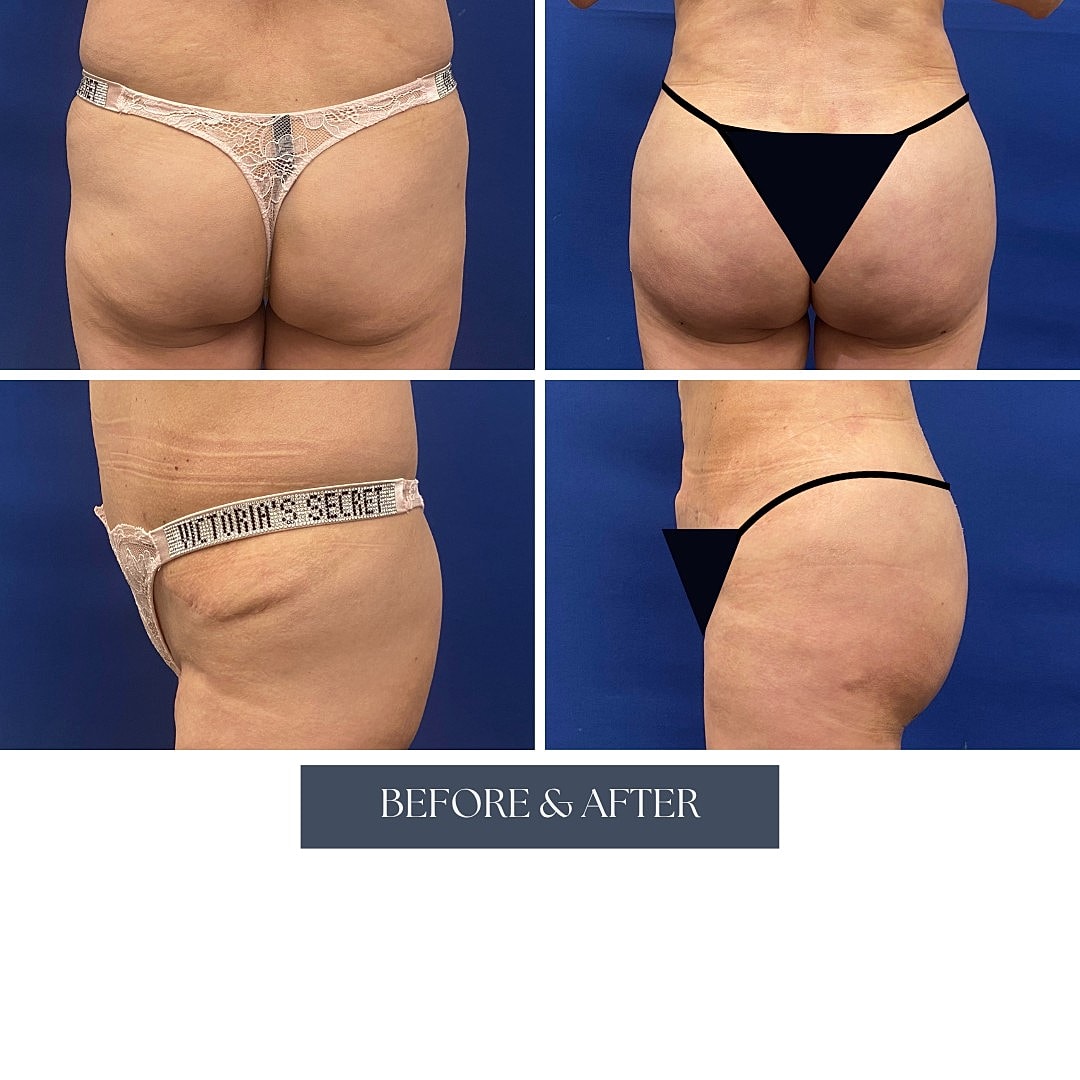
A BBL in Newport Beach solves both of these problems in one procedure, restoring balance to your silhouette and enhancing your natural contours. Fat transfer provides effortlessly natural-looking results because it’s your own tissue. Once the blood supply is established and transferred fat is successfully integrated (a percentage doesn’t survive, which Dr. Compoginis accounts for), the fat moves with your body and ages just like the surrounding tissue.

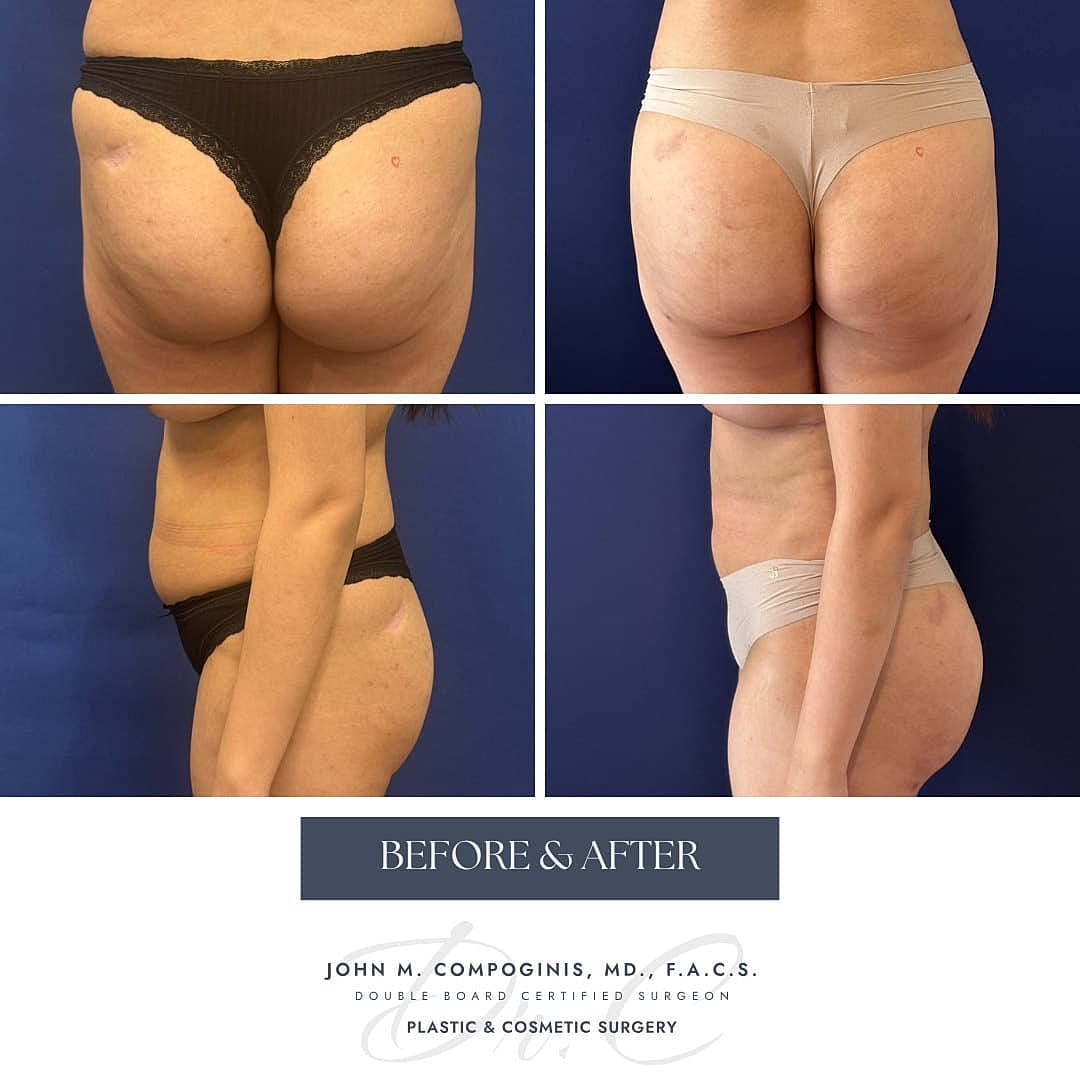
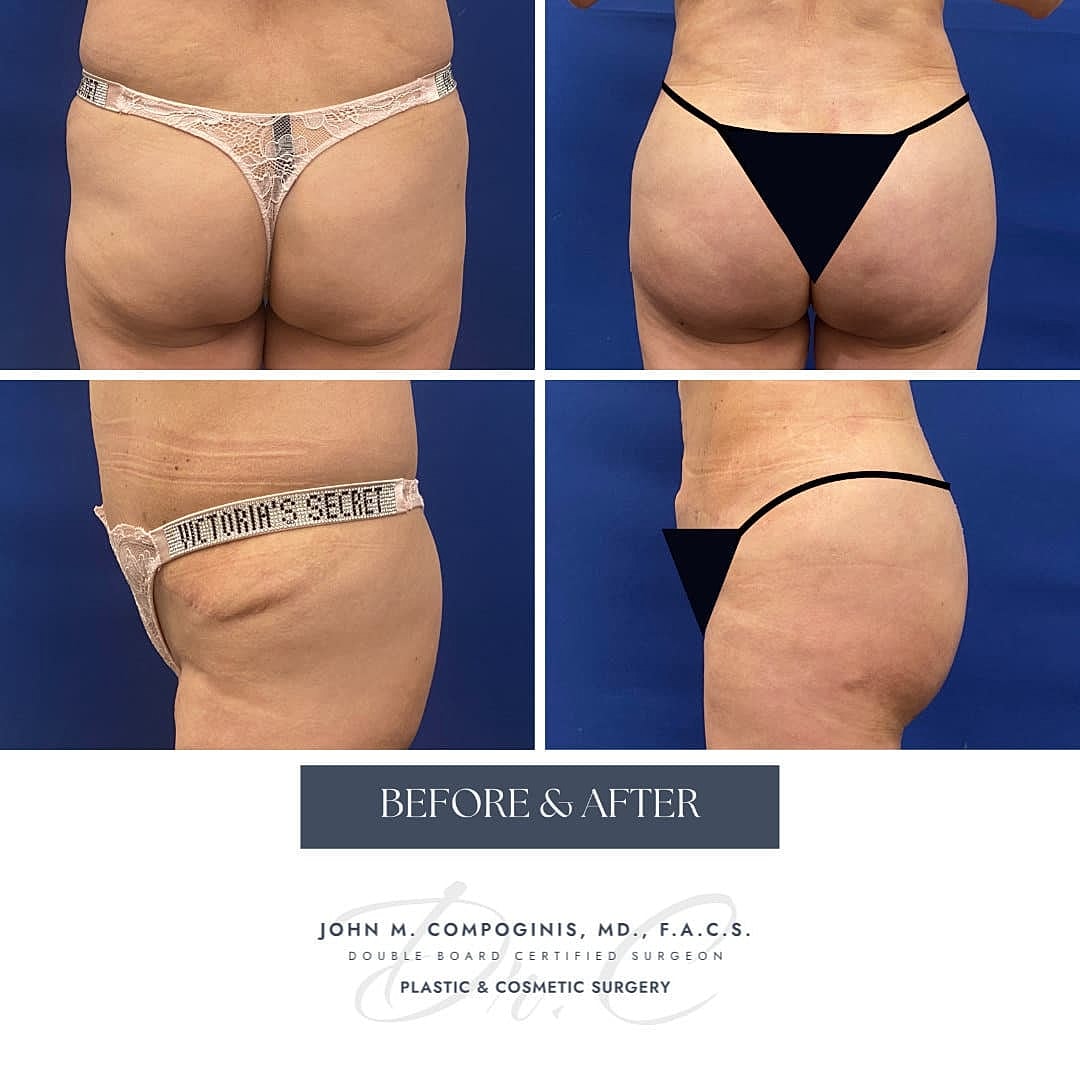
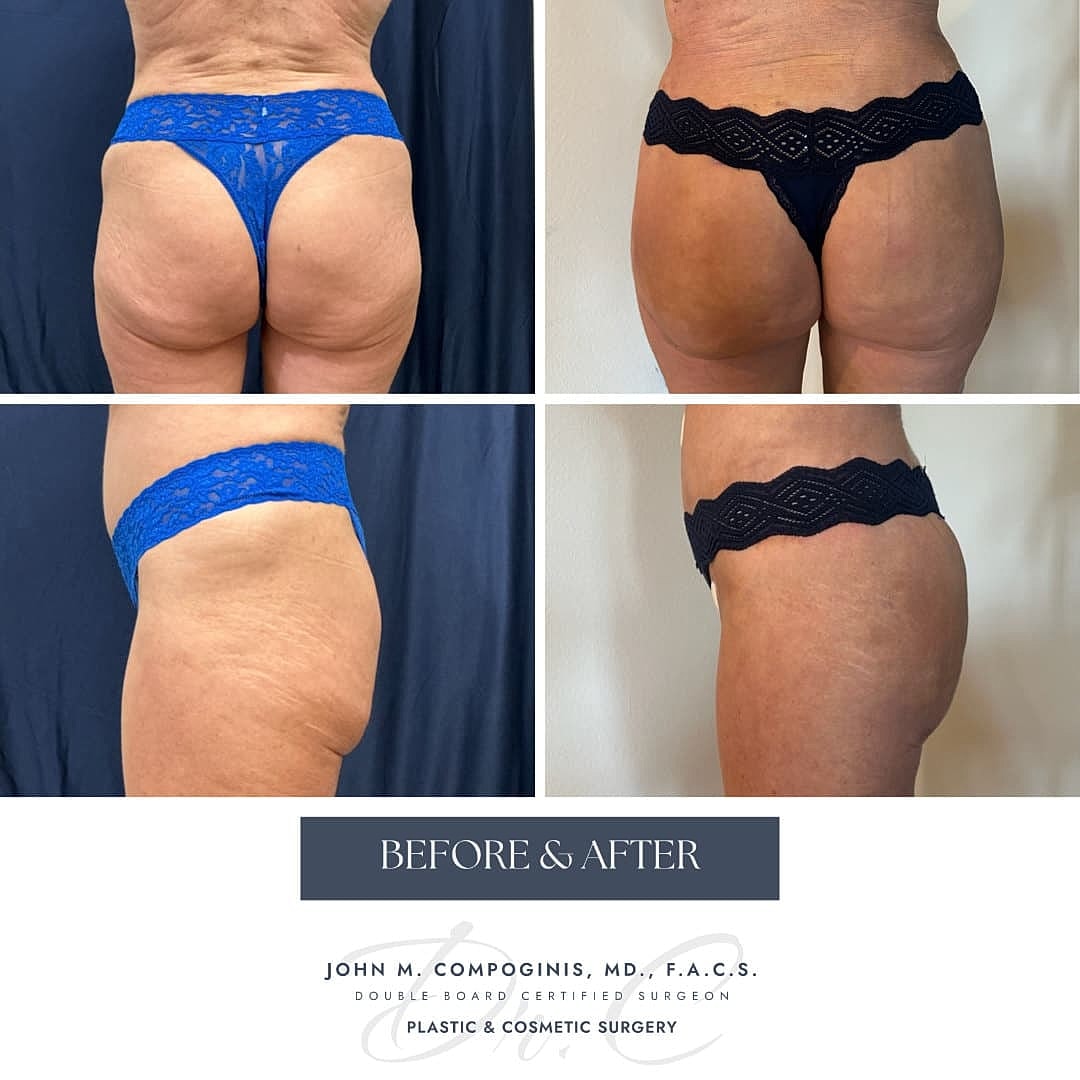
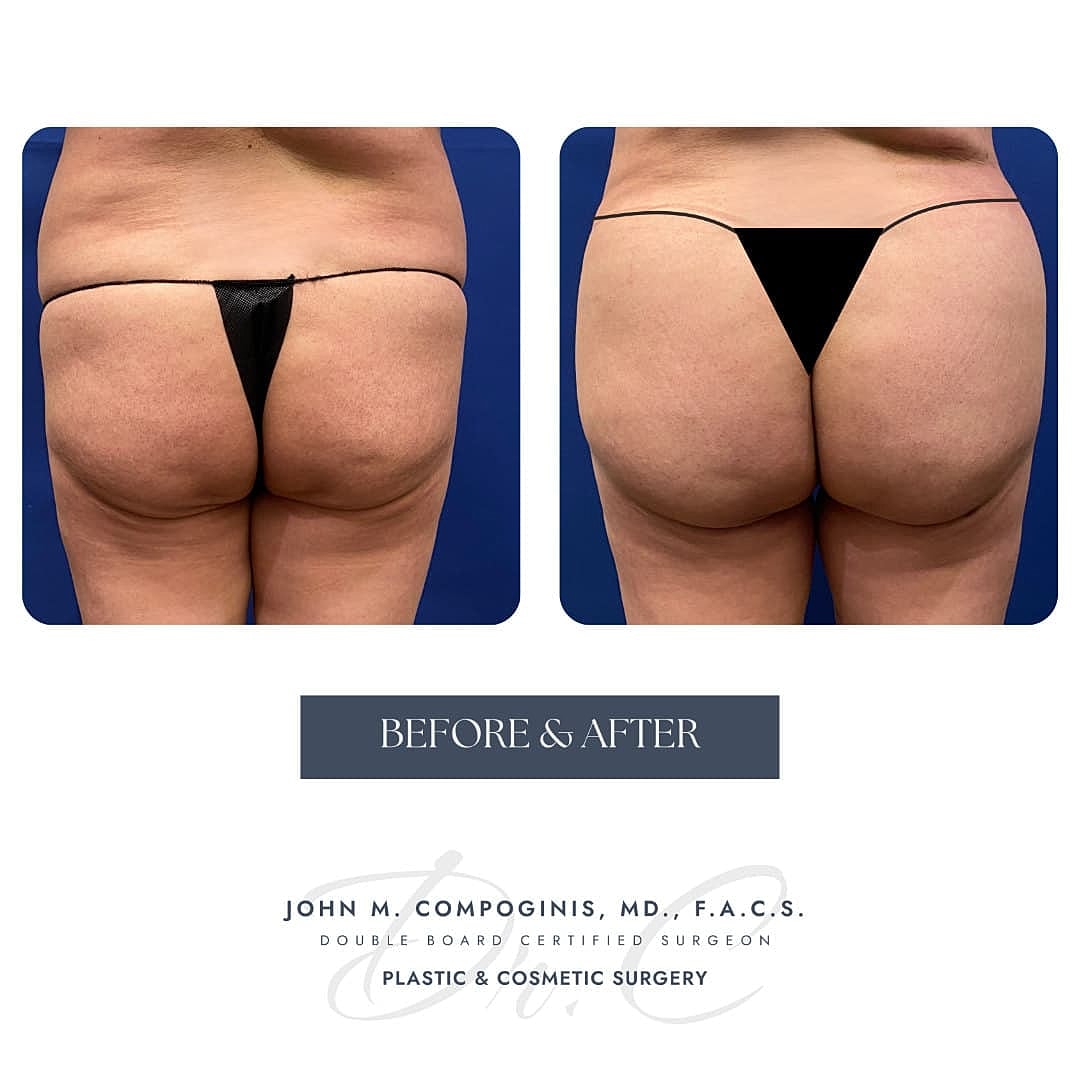
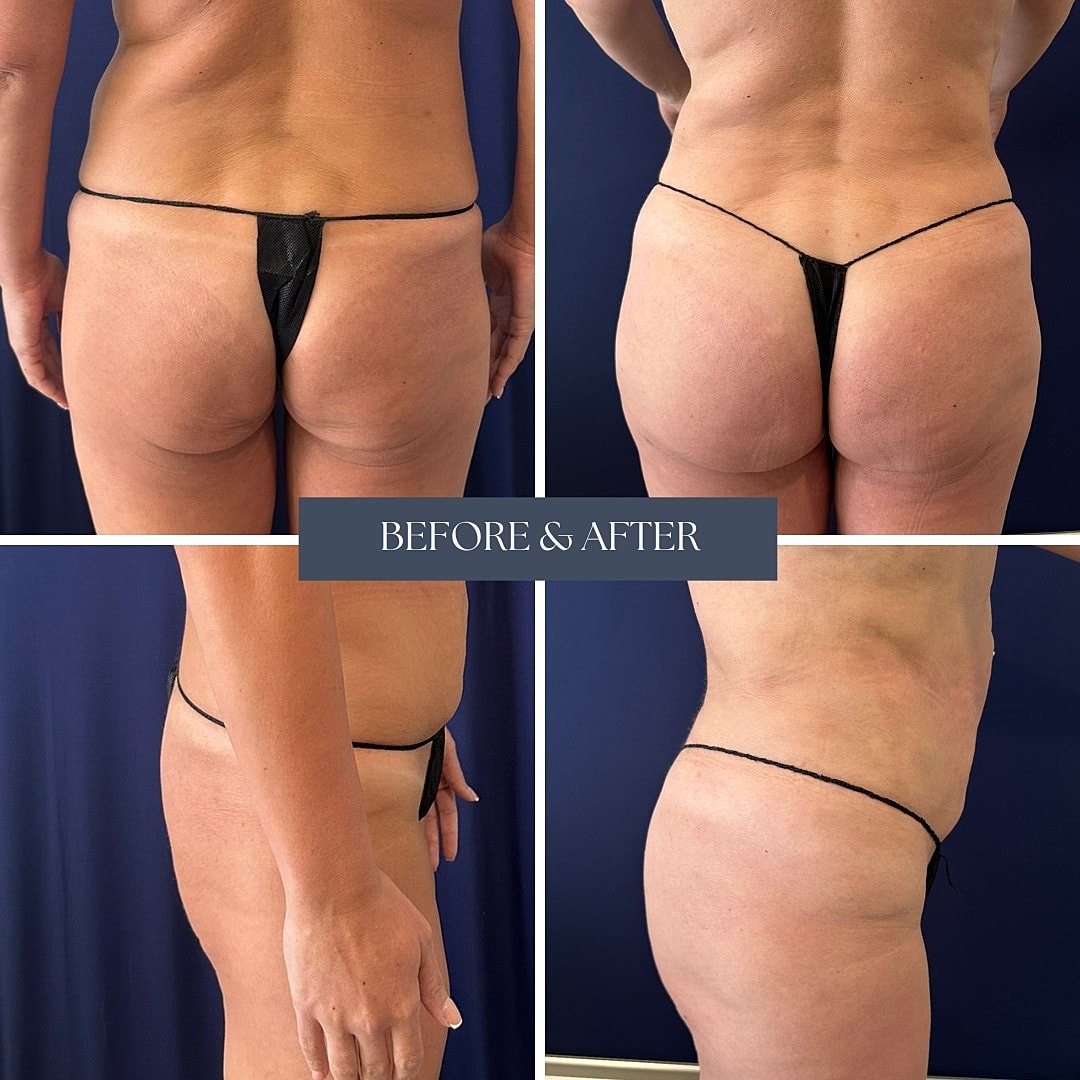
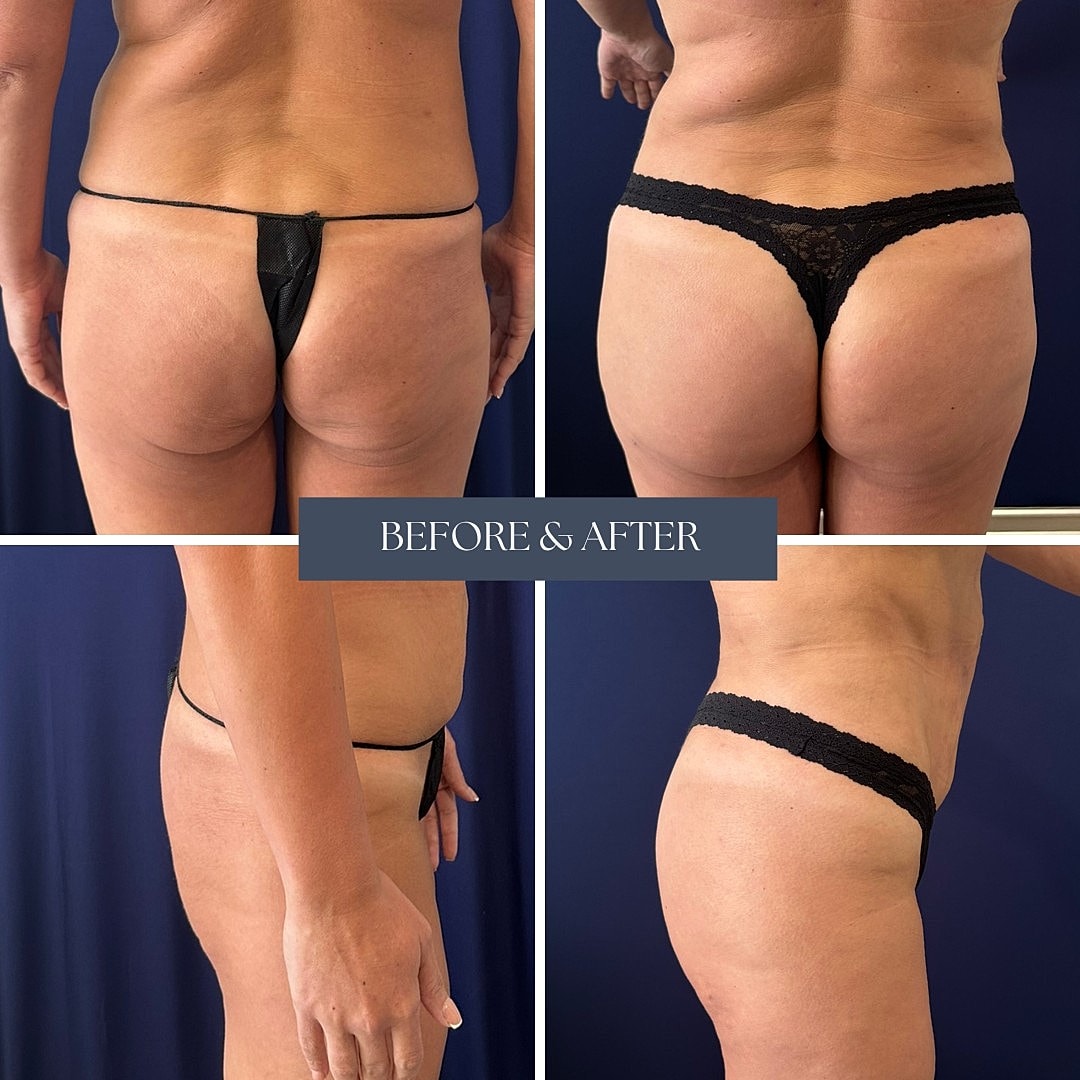
With a Brazilian Butt Lift Newport Beach patients can restore the shape and volume of your buttocks through fat transfer. Dr. Compoginis harvests unwanted fat tissue from donor areas, then injects this fat into the buttocks, allowing you to improve multiple areas at once. Click here to see our BBL before-and-after photo gallery.
Common donor sites for the fat transfer include:
The fat is harvested through liposuction, processed and purified, and then meticulously injected into multiple tissue layers of the buttocks at various angles to create the desired contours. Dr. Compoginis will carefully consider your overall frame, hip width, and lower back curvature to deliver a result you will love.

A Brazilian Butt Lift in Newport Beach can help improve several concerns related to body contour and buttock shape.
These may include:
By removing fat from select areas and transferring it to the buttocks, the procedure enhances both the treated areas and the overall body silhouette.
Brazilian Butt Lift surgery offers several advantages for patients seeking natural-looking body enhancement.
Because the procedure uses your own fat, the results typically feel and appear more natural than buttock implants.
Liposuction removes excess fat from surrounding areas, helping to sculpt the waist and torso for improved body proportions.
Fat grafting allows surgeons to precisely shape and contour the buttocks based on each patient’s aesthetic goals.
Many patients feel more confident in clothing and swimwear after enhancing their natural curves.
A Brazilian Butt Lift enhances the buttocks while sculpting the surrounding areas of the body. Fat is commonly removed from areas such as the abdomen, waist, hips, back, or thighs, allowing the procedure to refine the waistline and create more defined curves throughout the lower body.
Importantly, any post-bariatric patient considering our Newport Beach BBL should reach a stable weight and maintain it (ideally, for at least a year). The ideal BBL patient also needs to have sufficient donor fat available for harvesting, which is something Dr. Compoginis can discuss with you in a consultation.
Otherwise, good overall health is a non-negotiable requirement for post-weight-loss BBL surgery. Bariatric surgeries are fairly involved procedures that can cause changes in the body that may affect your eligibility for BBL. Patients should have controlled blood pressure, stable blood sugar levels, and no active infections or poorly controlled medical conditions. Smoking is not an automatic disqualifier, but patients who smoke are typically advised to quit several weeks before surgery to decrease the risk of complications.
Finally, aligning your expectations with the results that a BBL can realistically achieve is essential for a positive experience. BBL can create significant and noticeable improvements, but it won’t alter your dimensions beyond what your frame will allow.
BBL recovery requires patience and diligent care, as the newly transferred fat cells are vulnerable during the early phases and need to be protected in order to achieve your desired contours.
Expect significant swelling, bruising, and soreness throughout the first week of recovery. The majority of patients are able to manage discomfort with prescribed pain medication. Make sure to wear your compression garments exactly as directed to support donor sites and minimize swelling. You will be advised not to sit directly on your buttocks for several weeks following surgery.
Most people are able to return to desk work within two to three weeks, though you will still need to use your BBL pillow and avoid longer periods of sitting. Those with more physically strenuous jobs may require four to six weeks off before they can return.
Swelling will continue to gradually fade over several months following your BBL. Final results typically take three to six months to achieve as the transferred fat settles and the residual swelling subsides. You may experience temporary numbness or other changes in sensation in the treated areas, but this resolves as the nerves heal.

Patients begin to see their new contours as swelling subsides during the recovery period. Because some transferred fat cells may not survive the initial healing phase, the final results typically become more apparent over the following months.
When the healing process is complete, the buttocks appear fuller, smoother, and more naturally contoured. At the same time, liposuctioned areas reveal improved definition, often enhancing the waistline and overall silhouette. With stable weight maintenance and a healthy lifestyle, the surviving fat cells can provide long-lasting results.
Brazilian Butt Lift surgery requires a high level of surgical skill, precision, and anatomical knowledge. Dr. John Compoginis is a double board-certified surgeon known for his refined approach to body contouring and for creating elegant, natural-looking results.
His technique focuses on balanced proportions and carefully controlled fat transfer to enhance curves while maintaining harmony with the rest of the body. Patients seeking a sophisticated Skinny or Natural BBL appreciate his sculptor-like attention to detail and commitment to individualized treatment planning.
If you’re ready for your curves to match your confidence, call Dr. Compoginis at (949) 247-8543 in Newport Beach or (661) 537-3030 in Palmdale to explore how Brazilian Butt Lift can deliver natural, lasting results. You can also contact us online to schedule your consultation.

Fat cells that successfully establish blood supply become permanent parts of your body. While you'll lose 20 to 40% of transferred volume during the first few months as your body reabsorbs some of the injected fat, the surviving cells remain indefinitely. Maintaining a stable weight protects your long-term results.
Most surgeons recommend avoiding direct sitting for at least two weeks, with many extending this to eight weeks for optimal fat survival. You'll gradually reintroduce normal sitting after the initial healing period, but you should continue using a BBL pillow for several more weeks when sitting for extended periods.
Most patients achieve satisfying results from a single BBL procedure. However, some choose revision surgery to add more volume or adjust contours after initial healing has completed. Dr. Compoginis discusses realistic expectations during consultation to minimize the need for additional procedures.
Light walking is encouraged immediately post-surgery, but you must avoid vigorous exercise, running, and lower-body workouts for at least six weeks. Premature activity can compromise fat survival and increase complication risks. Dr. Compoginis will provide a gradual exercise progression plan tailored to your healing.
Significant weight changes can alter your BBL results. Weight gain may increase volume beyond what you initially achieved, while substantial weight loss can diminish your enhanced curves. Maintaining the weight you had at the time of surgery gives you the best chance of preserving your results long-term.
The buttock region isn’t the only place that may be affected by flattened contours and excessive skin laxity following weight loss surgery. Some patients also benefit from tummy tuck surgery, which creates a firmer, flatter midsection by removing excess tissue and tightening abdominal muscles.
Lipo 360 works exceptionally well with a Brazilian Butt Lift by contouring your entire midsection circumferentially. This approach creates smooth transitions between treated areas and provides ample donor fat for transfer while sculpting your waist, abdomen, and flanks for a more athletic appearance.
Combining procedures reduces overall recovery time and anesthesia exposure compared to staging surgeries separately. Dr. Compoginis will evaluate your anatomy, health status, and aesthetic goals to determine which combination approach makes sense for you.

Mon- Fri: 9am - 5:00pm